 Analysis byWeUseApps
I see Upside as a practical way to look for extra value in spending I already do, rather than a reason to spend more. Its appeal is simple: check the app before an eligible purchase, follow the offer’s terms, and earn cash back. That routine can fit naturally around fuel stops and food runs, but it asks for a little planning. If you want savings without changing your habits, it is worth considering; if you expect every purchase to qualify automatically, it may feel less rewarding.
Where the savings fit into an ordinary routine
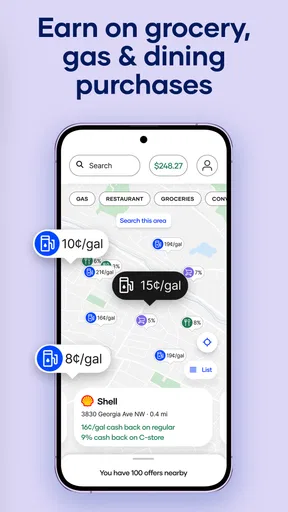
Upside is a free Travel & Local app from Upside Inc. Its focus is on cash back connected with everyday purchases, including the kinds of stops people make while driving or grabbing food. The useful distinction is that it is not simply a map or a coupon wallet: you need to check the available offer and complete the steps attached to it. In my view, that makes it most effective as a quick pre-purchase check, not as something to open after you have already paid.
A realistic example is a weekday commute. Before leaving work, I might check whether a nearby fuel stop has an offer, compare it with another convenient option, and decide whether the detour is sensible. If the difference is small, I would stay on my usual route; if the offer lines up with a stop I already planned, it can make an ordinary fill-up feel a little more worthwhile. The key is to compare the net benefit with the time and distance involved, rather than treating the offer as a command to change plans.
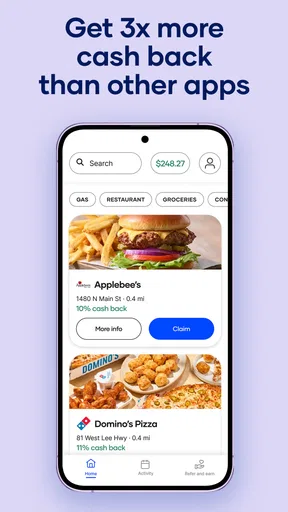
The same thinking applies to food. If I am already deciding where to pick up a meal, checking Upside can add one more useful point of comparison. But I would not choose a restaurant I do not want, or buy extra items, just to chase a reward. The strongest use case is earning back a little on a purchase you were going to make anyway. That keeps the app in its proper role: a small budgeting aid, not a substitute for comparing the actual cost or choosing what suits you.
Why a quick check can be worthwhile
The workflow rewards timing. Looking before you set off gives you room to compare an offer with your usual stop and see whether it is convenient. Checking only once you are at the counter leaves less time to make a sensible choice, while checking after payment can mean missing an opportunity to follow the required steps. I would make the app part of the decision, not an extra chore that interrupts the purchase.
One less obvious trade-off is that the best-looking offer is not always the best real-world choice. A nearby option with a modest reward can beat a more generous-looking one if the alternative involves a long detour, a queue, or a shop you would otherwise avoid. Think in terms of the whole errand: cash back is only useful if the purchase and the route still make sense. This is especially important for drivers whose fuel choices are limited by their commute or by where they can conveniently stop.
Another practical habit is to treat offer details as part of the transaction. Before relying on an offer, I would read what the app asks me to do and make sure I can complete those steps. That small pause helps avoid the frustrating assumption that simply paying at a participating place is enough. It also makes the experience easier to evaluate: if a particular offer requires too much attention for a small return, I can skip it without feeling that I have missed a bargain.
What it does better than a generic coupon hunt
Compared with manually searching for coupons, Upside can make the hunt feel more tied to everyday stops. Instead of collecting unrelated codes and remembering where each one applies, I can use the app while deciding where to buy fuel or food. That is a meaningful convenience when the purchase is already on my mind. It does not remove the need to read conditions or compare choices, but it can bring a potential reward into the decision at the right moment.
Compared with a credit or debit card rewards program, the app has a different job. The store summary points to stacking its rewards with existing card benefits, which is an appealing idea when the offer and the card’s rules both allow it. I would still check that the payment method qualifies and that I am following the app’s instructions. The useful mindset is to see the app as a possible extra layer, not as a replacement for a card’s own rewards or a guarantee that every benefit will combine.
That distinction matters for people who already use a rewards card. If the card earns benefits without requiring an extra step, it may remain the simpler default. Upside makes more sense when checking it is easy and an offer fits the purchase. In other words, the comparison is not just “which reward is larger?” It is also “which option is reliable, convenient, and worth remembering?” A small reward that takes little effort may be preferable to a more involved one that complicates a routine stop.
The friction I would keep in mind
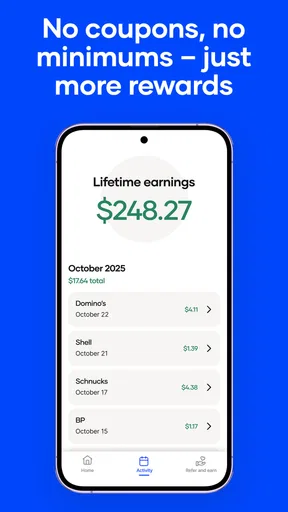
The main limitation is that savings depend on available offers and on the user completing the relevant process. That means the experience can vary from one shopping trip to the next. I would not build a monthly budget around a particular amount of cash back, and I would not assume that every nearby business or purchase will have an offer that suits me. The app is better treated as an occasional bonus than as a dependable discount on every transaction.
There is also a small attention cost. To benefit, you have to remember to check before buying, compare options, and pay attention to conditions. Someone who dislikes using a phone while running errands may find even that modest extra step irritating. And for a purchase that is already the cheapest or most convenient choice, opening another app may not change the decision enough to justify the effort. I would rather skip an offer than let the search for rewards dictate where I go.
For that reason, I would be cautious about making a special trip solely for an offer unless the route and purchase already work for me. A cash-back figure can sound more compelling in isolation than it is after accounting for extra travel or time. This is not a flaw unique to Upside, but it is central to using this kind of app sensibly. The reward is only a genuine saving when it does not lead to unnecessary spending or an inconvenient detour.
Who is likely to get the most from it
I would recommend trying Upside if you regularly drive, make recurring fuel stops, or often buy food from places you can choose among. People who already compare nearby options may find it easy to add one more check to their routine. It may also suit someone who enjoys keeping track of small rewards and is willing to read offer instructions before paying. The app is rated for Everyone, and it is free to install, so trying the basic routine does not require an upfront purchase.
It is less compelling if your spending is tightly fixed, you have few practical choices nearby, or you rarely want to add steps to a transaction. Someone who shops at the same place every time because of schedule or access may not have much room to act on offers. Likewise, if you prefer a single card-based rewards system that runs in the background, a dedicated app that needs checking may feel like unnecessary administration. In those cases, sticking with your existing approach is reasonable.
For a first try, I would start with a purchase already on the calendar rather than planning an outing around the app. Check the available offer beforehand, read its conditions, and compare the practical total with your normal option. Then notice whether the process felt easy enough to repeat. This simple test tells you more than chasing the most attractive-looking offer: it shows whether the app fits your routes, habits, and patience.
A solid option, with realistic expectations
Upside has a substantial audience: it has more than ten million installs, with an average rating of 4.6 from around 456,000 ratings. Those figures suggest broad interest, but they do not guarantee that every offer will suit an individual routine. I would judge it by whether I can use it without changing purchases I would otherwise make. The current version is 26.29.0, and the app supports devices running Android 9 or later.
My verdict is that Upside is most useful as a low-pressure extra layer of rewards for people who can check before routine fuel or food purchases. Its central strength is that it can complement decisions you are already making, including the possibility of combining its rewards with existing card benefits when the terms permit. Its main weakness is the need to plan and follow offer-specific steps, with no reason to expect every trip to produce a useful opportunity.
I would give it a try if a quick check fits naturally into my errands, then keep it only if the savings feel worth that small bit of attention. I would skip it if using it makes me travel farther, buy more, or spend time chasing rewards that do not fit my needs. Used selectively, it can make familiar spending a little more rewarding; used as a reason to spend, it misses the point.
What we like
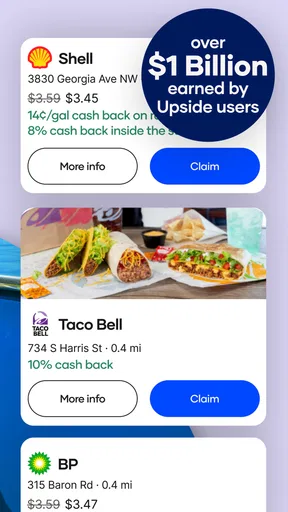
- Cash back is available at participating gas stations and restaurants.
- The app includes offers from recognizable national brands.
- Users can browse deals before choosing where to shop.
- Some offers can be combined with linked payment methods.
- Rewards provide a way to offset everyday purchases.
What could be better
- Available offers vary by location.
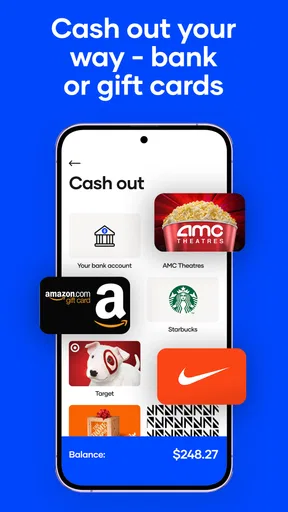
- Cash back may take time to become payable.
- Some deals require a minimum purchase.
- Users must follow each offer's terms to qualify.
- Not every local gas station or restaurant participates.