 Analysis byWeUseApps
Paying for prescription medicine can be stressful, especially when you’re trying to compare costs quickly or help a family member find a more affordable option. GoodRx is built around that practical problem: it helps people look for affordable prescription medications and makes sense as a tool to keep close at hand when a pharmacy visit is on the horizon. I find its appeal straightforward rather than flashy—the point is to make medicine costs easier to investigate, not to replace medical advice or the conversation you have with a pharmacist.
Finding medication savings when you need them
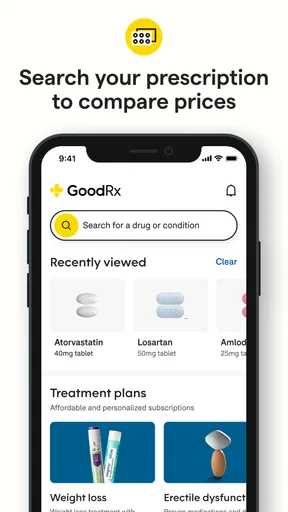
The basic idea behind GoodRx is easy to understand: use the app to look for ways to spend less on prescription medication for yourself or your family. That focus gives it a clear role in a medical-app collection. Instead of trying to be an all-purpose health platform, it centers on a common, often frustrating part of care: figuring out what a prescription may cost and whether there is a more affordable route to explore.
That kind of search can be especially useful when a prescription is new, a regular medication needs refilling, or household expenses are under pressure. Prices and availability can vary by circumstance, so I’d treat anything found in the app as a starting point for a practical conversation—not as a substitute for checking the details with the pharmacy or the clinician who prescribed the medicine. The app’s value lies in helping you begin that comparison with a little more direction.
GoodRx is free to download, which lowers the barrier to trying it. It has been available since December 12, 2012, and has grown into a widely used option, with more than 10 million installs. Its audience is broad: the content rating is Everyone, and the app is intended to help people seeking prescription savings for themselves or their families.
What the experience is designed to do
The store description is concise, and that simplicity matches the app’s central purpose. You come to it looking for affordable prescription medication, rather than entertainment or an elaborate set of health tools. I appreciate that clear scope. When money and medication are involved, an app is easier to judge if its main job is obvious and the user can focus on the decision at hand.
Still, affordability is only one part of a medication decision. A lower-cost option is useful only when it fits the prescription and can be used appropriately. I’d keep the prescriber and pharmacist involved, particularly if you’re comparing alternatives or have questions about how a prescription should be filled. GoodRx can support the cost-search part of the process; it shouldn’t be treated as a source of diagnosis or personalized treatment instructions.
Network-dependent moments
Connectivity matters most at the moment you want to look something up. Searching for prescription savings is an information task, so a working internet connection is part of the practical experience. That may be when you’re at home planning ahead, in transit between errands, or already near a pharmacy and trying to make a decision. If your connection is slow or unreliable, the lookup can become less convenient precisely when you want a quick answer.
For that reason, I’d use the app before a time-sensitive pharmacy visit whenever possible. Check the medication and compare the options while you have a dependable connection, then keep the relevant details accessible as you continue the conversation with the pharmacy. This small bit of planning can take pressure off a rushed moment. It also helps separate the research stage from the final confirmation, which is important because the pharmacy is the place to verify what applies to your prescription.
GoodRx’s purpose is especially clear in these connected moments: it offers a way to investigate affordability rather than leaving the entire search to a last-minute conversation at the counter. But a phone signal doesn’t guarantee that every question is settled. The result still needs context, and a quick screen check should not be mistaken for confirmation of the final amount or suitability of a medication option.
Using it in everyday mobile settings
Prescription costs are not something most people want to research in a long, formal session. Often, you’re fitting the task between work, family responsibilities, and other errands. A phone app suits that pattern because it puts the search in the same device you already carry. You can make cost research part of planning a refill or helping a relative, rather than waiting until you’re standing in a busy pharmacy.
I’d think of GoodRx as a companion for those brief planning windows. If you’re helping a family member, for example, it can give you a place to begin looking into affordability before you call or visit the pharmacy together. If you’re managing your own prescription, you can use the same approach to prepare questions ahead of time. In either situation, a little preparation makes it easier to discuss costs clearly and avoid feeling rushed.
The app is listed for devices running version 8.0 or later of its supported mobile operating system, and its current version is 9.22.0. Those details help set expectations for compatibility, but the most important day-to-day consideration is still the phone you have with you and whether it can connect when you need to search. For a medical utility, dependable access is less about novelty and more about fitting into ordinary routines.
When a search is interrupted
Any app that depends on online information can feel less useful when a connection drops, a page takes too long to respond, or you’re interrupted before finishing a lookup. In those situations, I’d avoid making a medication decision based on a partial result. Try again when the connection is stable, and if you’re already at the pharmacy, ask the staff to help confirm the relevant details directly.
A sensible recovery plan is simple: pause, reconnect, and repeat the search rather than assuming an unfinished screen is complete. If you’re preparing for a future visit, you can return to the task later. If the question is urgent, the pharmacist or prescriber is a more appropriate source of clarification than repeatedly refreshing an app. That’s a useful boundary for any health-related tool: technology can make information easier to reach, but it should not be the only route to an answer when a medication decision needs confirmation.
I also like to keep the task focused. Search for the prescription you’re trying to understand, note what you need to ask, and then move to a direct confirmation with the pharmacy. That approach reduces the chance of confusing a preliminary cost search with a final answer. It also makes the app easier to use in a noisy or busy setting, where attention may be split between the phone and everything happening around you.
Thoughtful, data-conscious use
Medication searches can involve personal health information, so it’s sensible to be deliberate about what you enter into any medical app. Use the information needed for the task, keep your device protected in the ordinary ways you already trust, and avoid sharing someone else’s details casually. When helping a family member, make sure they’re comfortable with the information being used and with the way you’re assisting them.
It’s also worth distinguishing a cost lookup from a complete picture of care. An app focused on affordability can be helpful without answering every question about a prescription, insurance, or treatment. If something on screen is unclear, ask the pharmacy or prescriber rather than guessing. This careful approach does not diminish the app’s usefulness; it puts the tool in the role where it can help most—supporting a better-prepared conversation about costs.
GoodRx has a strong public reception, with an average rating of 4.8 from around 336,000 ratings and about 162,000 written reviews. Those figures suggest that many people have found value in the service, though a high average should not replace checking whether the app meets your own needs. The most relevant test is whether it helps you investigate prescription affordability in a way that fits your routines and leads to clear follow-up with the pharmacy.
A practical role, not a replacement for care
What I find most persuasive is the everyday usefulness of the problem it addresses. Prescription expenses can affect whether a person feels prepared to fill a medication, and having a dedicated place to investigate affordability can make that process feel more manageable. The app’s medical focus is narrow enough to be easy to understand, while still being relevant to individuals and families dealing with prescription costs.
At the same time, a savings tool works best as one step in a larger process. The prescriber determines the treatment, and the pharmacy can help confirm how a prescription may be filled and what costs apply. GoodRx can help you arrive at that conversation with a better sense of what to ask. I would not rely on a mobile search alone for decisions that require professional guidance, and I’d always verify the details that matter before acting.
That balanced role makes the app approachable for people who want to do a little homework without turning medication management into a complicated project. It can support planning, help you raise cost questions, and give a family member a practical starting point. The key is to treat what you find as useful preparation, then confirm the specifics through the appropriate healthcare professional or pharmacy.
Connectivity verdict
GoodRx is a focused, free medical app for people looking to find more affordable prescription medications for themselves or their families. Its usefulness is closely tied to connected moments: you need access when you search, and a stable connection makes that process more practical. Planning ahead can reduce the frustration of trying to research costs in a hurry, while a direct check with the pharmacy remains important before you make decisions.
Overall, I see it as a convenient starting point for prescription-cost research, especially for users who want to prepare questions before a refill or pharmacy visit. It is not a replacement for a pharmacist, a prescriber, or personalized medical guidance, but it can help make affordability easier to discuss. With an average rating of 4.8 and more than 10 million installs, GoodRx has clearly reached a broad audience. If your goal is to explore prescription savings from your phone and follow up with the people responsible for your care, it is a practical app to consider.
What we like
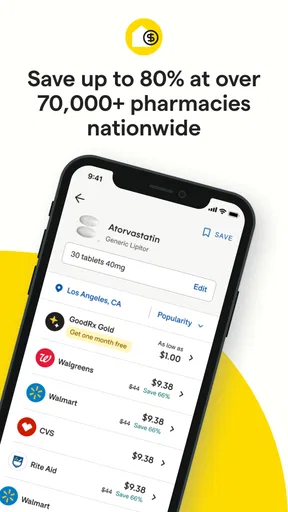
- Compare medication prices at nearby pharmacies before filling a prescription.
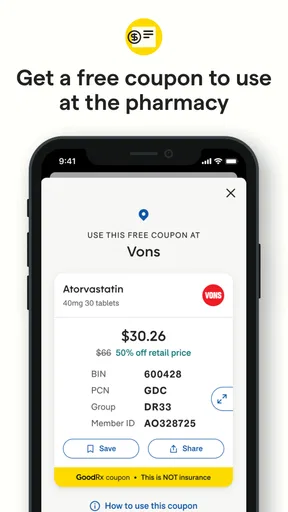
- Coupons can reduce out-of-pocket costs for eligible prescriptions.
- Search results make it easy to find participating pharmacies.
- The app is free to download and use for price searches.
- Medication reminders can help users stay on schedule.
What could be better
- Coupon prices may differ from the final price at the pharmacy.
- Discounts generally cannot be combined with insurance for the same purchase.
- Not every medication or pharmacy accepts GoodRx coupons.
- Prices and participating locations can change over time.
- Some features require creating an account or sharing personal information.