 Analysis byWeUseApps
The first time I opened Solar Smash, its appeal was easy to understand: I could look at a planet, choose a way to damage it, and watch the result unfold without first learning a long campaign or managing a complicated menu of objectives. That makes this simulation game a satisfying choice when I want a few minutes of dramatic, hands-on play rather than a demanding project. The fun is direct, but whether it deserves a regular place on your phone depends on how much you enjoy experimenting after the initial spectacle wears off.
Why the first sessions work
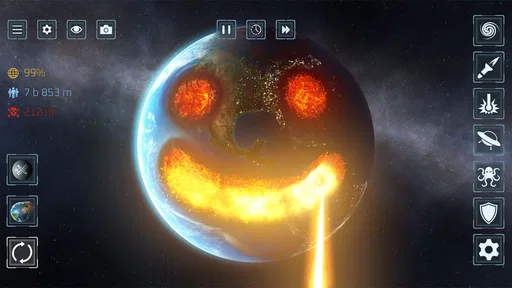
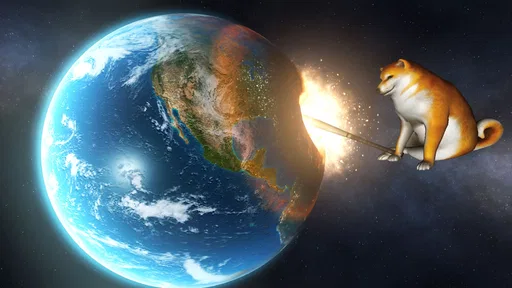
Solar Smash is built around a simple invitation: treat a planet as a playground and test what happens when you interfere with it. The basic pleasure comes from choosing an attack, seeing the planet react, and then trying another approach. That clear loop makes the game approachable even if you do not usually play simulations. I did not need to understand a complex economy, follow a story, or spend a long opening session preparing before I could enjoy the central idea.
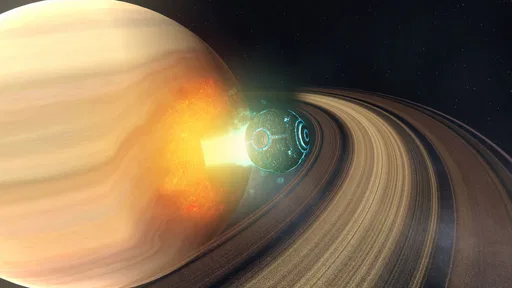
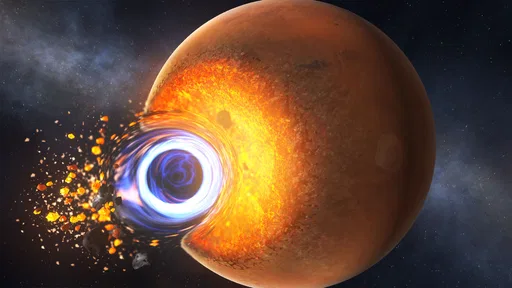
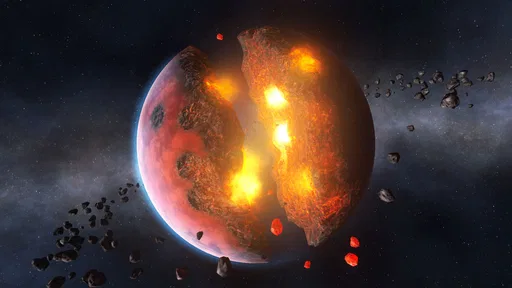
The presentation gives each experiment a satisfying sense of scale. A planet is an instantly readable target, and the contrast between its familiar appearance and the destruction happening on screen is what gives the game much of its personality. Rather than asking me to build a detailed model or solve a realistic scientific problem, it lets me explore a playful version of cosmic destruction. It is closer to a toy box than a serious astronomy simulator, which is a strength if you arrive with the right expectations.
In a typical short session, I might open the game while waiting for a friend, pick a planet, try a few different attacks, and close it once I have seen enough. There is no need to reserve a full evening or remember a complicated sequence of tasks. That low commitment is particularly useful for casual play, and it helps explain why the game has reached more than 100 million installs. Its broad appeal is also reflected in an average rating of 4.6 from around 1.7 million ratings.
There is a small but worthwhile way to get more out of those early experiments: change one thing at a time. If I switch both the target and the attack after every attempt, it is harder to tell what made a particular result interesting. Keeping the target fixed while trying different tools makes the sandbox feel more like an experiment, even though the game is not asking for formal scientific accuracy. This also turns a few minutes of random tapping into a more deliberate session.
A sandbox, not a campaign
It helps to know what kind of simulation you are getting. This is not the sort of game I would choose for long-term city planning, vehicle management, or a narrative journey with a steady chain of missions. Its central pleasure is immediate cause and effect: I make a choice, watch a planet change, and decide whether to try again. If you want a persistent world that remembers a long series of decisions or a clear objective that steadily advances, the format may feel thin.
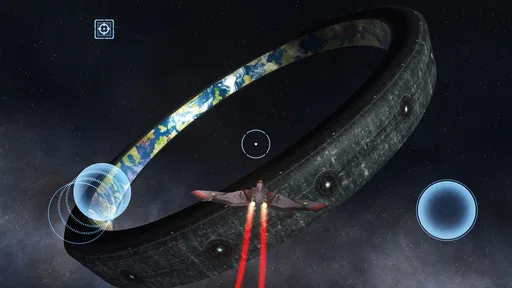
Compared with other casual simulation games, Solar Smash puts spectacle ahead of construction and routine management. A city builder can reward careful planning across many sessions; a physics sandbox may invite tinkering with objects and systems. Here, the focus is the planet itself and the visual payoff of altering it. That makes the game easier to pick up than a management simulator, but it also gives it less natural structure once the basic novelty is familiar.
That distinction matters when deciding whether to download it. If you enjoy testing variations, making your own small challenges, or simply watching an oversized visual effect play out, the open-ended format can be a plus. If you rely on missions, unlock goals, or a strong sense of progression to keep you engaged, you may find yourself asking what to do next sooner than you would in a campaign-driven game.
What keeps it interesting after the novelty
The month-to-month value comes less from a daily habit than from returning when you are in the mood to experiment. I would not treat it as a game that needs a scheduled check-in. Instead, its best recurring use is as a low-pressure creative outlet: start with a particular visual idea, see whether you can produce an interesting outcome, and then change one part of the setup for a fresh attempt.
One practical approach is to set a simple personal constraint before starting. For example, choose a target and use only one kind of attack for a few tries, or aim to create a result that looks different from the last one rather than merely doing the most destructive thing available. The point is not to invent a formal mode the game does not promise; it is to give your own sandbox session a little shape. This can make brief returns feel more purposeful without turning play into homework.
Another useful habit is to take a moment to look at the result before starting over. When the action is quick, it is tempting to treat each attempt as disposable. Pausing to notice which changes produced the most striking view gives the experiment a small payoff of its own. For players who like screenshots or sharing visual moments, that observational side can be more rewarding than rushing through repeated attacks.
There is a natural limit, though. A sandbox can offer freedom without supplying an endless stream of fresh goals. Once you have tried the kinds of experiments that interest you, returning may feel more like repeating a familiar trick than discovering a new layer. I see that as a real trade-off rather than a flaw for everyone: people who enjoy self-directed play may be content to dip in occasionally, while players who want continuous new challenges may prefer a game with a more explicit progression loop.
Light upkeep, with a few reasons to pause
The maintenance burden appears modest in the everyday sense that this is not a game built around tending a base, keeping a roster active, or checking in to protect a long-running project. You can approach it when you have time and leave when you are done. That makes it easy to keep installed for occasional use without feeling that you are falling behind whenever you ignore it.
Still, “easy to revisit” is not the same as “always fresh.” The main upkeep is on the player: you have to bring your own curiosity. If you open the game with no particular experiment in mind, the same basic action-and-reaction loop can become repetitive. I get more value when I decide what I want to test first, even if that plan is as simple as comparing a couple of approaches on the same planet.
There is also a difference between a satisfying short session and a long one. The game’s immediate visual feedback works well in bursts, but staying for a prolonged stretch may expose how much the experience depends on repeating its core interaction. I would recommend treating it as a snack-sized sandbox rather than assuming it will provide the depth of a full-length strategy or simulation game.
The game is free to download, with in-app purchases listed from $1.99 to $14.99 per item. That makes it sensible to start with the free experience and decide whether you are enjoying the sandbox before spending anything. I would not assume that a purchase is necessary to understand the basic appeal. If you are deciding whether to spend, consider whether you already enjoy making your own goals in open-ended games; that is a better predictor of lasting value than the first dramatic session.
Who may tire of the formula
The most likely source of fatigue is the very simplicity that makes the first session so accessible. You can begin quickly, but a clear, repeatable loop can also become predictable. Players who want a story to pull them forward, a detailed simulation to master, or a steady sequence of goals may feel that the game has shown its hand early. In that case, a management simulator or a mission-based action game is likely a better fit.
Another possible mismatch is realism. The game uses the language and imagery of planets and space, but I would approach it as an imaginative destruction sandbox, not as a tool for learning accurate planetary science. If your main goal is to understand astronomy, a dedicated educational app or a more factual space simulation would serve you better. Solar Smash is most enjoyable when you judge it by how entertaining its experiments look and feel, not by how closely they model real-world physics.
It is also not my first recommendation for someone who wants a game to occupy every spare moment. Its low-pressure design makes it convenient, but the experience does not need constant attention or repeated daily visits. That can be a positive if you want something you can pick up without obligations; it can be a drawback if you want a strong routine, a long-term collection chase, or a reason to return on a set schedule.
A sensible fit for casual players
Paradyme Games developed the title, which is listed as a simulation game and carries an Everyone 10+ content rating. It was released on January 19, 2020, and its current version is 2.7.5. The minimum operating system is 7.0. These details make it easier to judge whether the game suits your device and household, while the rating gives parents a useful starting point when considering whether it is appropriate for a younger player.
For a family, the appeal will depend on the child’s response to destruction-themed play. The experience is stylized and centered on planets, but the subject is still large-scale damage. I would use the age rating as a guide and, if you are choosing for a child, take a look at the gameplay together before deciding. For an adult or older child who enjoys visual experiments, the uncomplicated controls and quick results make it easy to share the idea without explaining a long set of rules.
As a casual game, it works especially well in small gaps: waiting for a ride, taking a break between chores, or winding down when you do not want a competitive match or a demanding puzzle. I like that I can leave without abandoning a larger plan. On the other hand, if I am looking for something to focus on for an hour, I would reach for a game with more varied systems and a clearer path of advancement.
Does it earn a lasting place?
My honest verdict is that Solar Smash earns a place as an occasional creative distraction, not necessarily as a permanent daily habit. Its central concept is distinctive, its first sessions are immediately understandable, and its open-ended play gives curious users room to invent small experiments. Those are meaningful reasons to keep it around, especially if you enjoy visual cause and effect and do not need a game to tell you what to do.
Its staying power depends on your own tolerance for repetition. If you like setting informal challenges and revisiting a familiar sandbox at your own pace, it can remain useful well after the first burst of novelty. If you need frequent new objectives, realistic simulation, or a deep progression system, the appeal may fade quickly and another kind of game will reward your time more consistently.
I would recommend trying it when you want a free, low-commitment space-themed toy rather than expecting a complete campaign or an astronomy lesson. Start with a few deliberate experiments, see whether making your own goals is enjoyable, and let that decide whether it deserves more attention. For me, its best quality is not that it demands a routine, but that it is ready when I want a short, imaginative break.
What we like
- Planet destruction effects are visually striking.
- Multiple weapons encourage experimentation.
- Custom planet options add variety.
- Controls are simple to learn.
- Short sessions suit casual play.
What could be better
- Gameplay can feel repetitive over time.
- Frequent effects may drain battery quickly.
- Ads can interrupt play.
- Some content may require purchases.
- There is little long-term progression.