 Analysis byWeUseApps
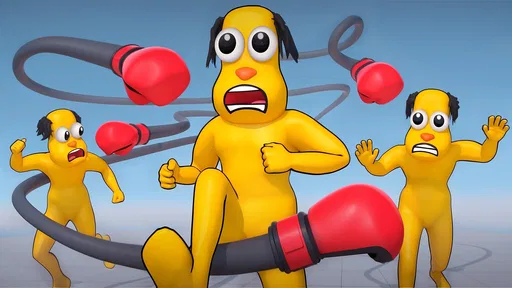
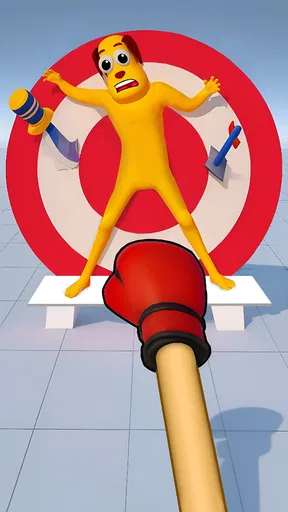
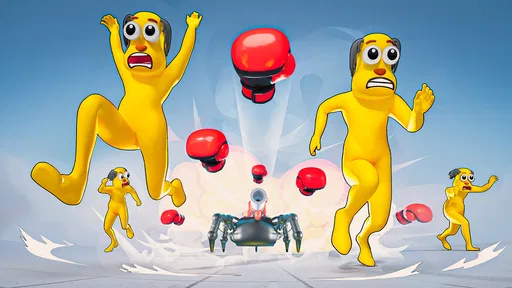
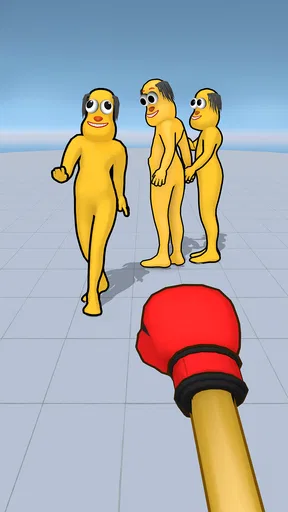
Annoying Uncle Punch Game® is a deliberately silly simulation built around one simple idea: taking out frustration by punching an irritating uncle. I see its appeal less as a deep game to master and more as a quick, comic diversion. That narrow focus is also its biggest trade-off: if you want a long progression system, a serious boxing challenge, or a story with much to uncover, this is probably not the game I’d pick. But for a brief mood reset with an absurd premise, it has a clear identity.
A stress-relief game with a very specific joke
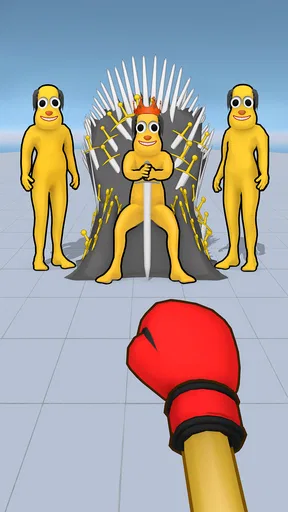
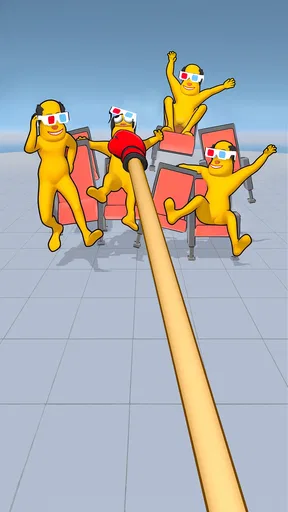
Made by Game District LLC, this free simulation frames its central action as playful slapstick rather than a realistic fighting experience. The premise tells you what kind of humor to expect: the target is an annoying uncle, and the fun comes from treating that everyday family irritation as an exaggerated game scenario. It is a knowingly over-the-top setup, not a thoughtful portrait of family life or a boxing lesson.
That distinction matters. I would approach it as a casual arcade-style distraction, not as a dependable way to resolve stress. A few minutes of goofy interaction may provide a laugh, especially if the premise clicks for you, but it does not replace stepping away from a frustrating situation. The game’s appeal depends heavily on whether you find its central gag amusing after the initial novelty wears off.
The presentation is aimed at a teen audience, which fits the cartoonish, comic framing better than a realistic combat simulator would. Still, the idea of punching a person is not for everyone, and parents may want to consider whether that style of humor suits the player. The best way to read the concept is as exaggerated game comedy, not as advice about handling real disagreements.
Why the simple premise can work
The strongest point is that the game does not need a complicated setup to explain itself. You know the basic joke immediately, so it can suit a short session when you have little time or patience for tutorials and detailed systems. If you have a few idle minutes between tasks, a quick visit may be more appealing than starting a long simulation that asks you to remember goals and routines.
There is also a useful difference between choosing this and opening a conventional fighting game. A traditional fighter usually asks you to learn combinations, read an opponent, and improve through repeated practice. This game’s hook is instead its comic target and low-stakes, stress-release framing. That can make it easier to dip into, though players seeking technical skill or close competitive matches are likely to find a dedicated fighting game more satisfying.
My practical tip is to treat each session as a short novelty break rather than expecting a full evening’s entertainment. That sets a fair expectation and makes the game’s focused premise a strength: it does not have to compete with a deep simulation on depth if what you want is a fast, ridiculous change of pace. If you find yourself repeating the same joke without getting a fresh laugh, that is a good sign to move on rather than forcing the game to become something it is not.
What the audience figures suggest—and what they do not
The game has a 4.5 average from around 146,000 ratings, and it has passed 100 million installs. Those figures suggest that its broad, instantly understandable premise has found a substantial audience. They are useful context for someone deciding whether this is a niche experiment or a widely tried casual game, but they cannot tell you whether this particular style of humor will land for you.
Its store presence also includes about 1,300 written reviews, and the game is free to download. I would not treat popularity as proof of lasting depth: a funny, easy-to-understand hook can attract many players while still being best suited to brief sessions. If you are choosing between this and a more involved simulation, think about whether you want a quick gag or something that rewards longer-term planning.
The main limitation is the narrow appeal
The same focus that makes the premise easy to grasp can also limit its staying power. Once the central joke is clear, players who need variety, a compelling narrative, or meaningful strategic choices may want more than the game’s setup promises. I would be cautious about downloading it with the expectation that it will steadily unfold into a complex simulation; its identity is built around one comic situation.
That also makes it a poor fit for some moods. If you are already genuinely angry, a game that turns punching into the main joke may not be the most calming choice. A gentle puzzle, a relaxing sandbox, or a quiet activity could suit you better. Likewise, anyone who dislikes slapstick violence or family-targeted humor should skip it rather than hoping the tone will become more serious.
Another trade-off is that a free download does not necessarily mean every optional purchase is free. The game offers in-app purchases priced from $0.49 to $11.99 per item. I would start without spending and see whether the basic experience holds your attention. If you are considering a purchase, first decide what you want it to add for your own play; a small, focused comedy game is not automatically worth paying more for simply because it has optional extras.
There is a practical point for parents, too: the Teen content rating is a useful starting signal, but it is not a substitute for checking the game yourself if you are unsure about the punching premise. A younger player who enjoys cartoon slapstick may see it as harmless silliness, while another may imitate the idea in an unhelpful way. I would use the rating and the game’s central joke together when deciding whether it suits a particular household.
Who is most likely to enjoy it
I would recommend it to players who like absurd humor, want an easy game to open for a short break, and are comfortable with cartoonish punching as the core gag. It may also appeal to someone who wants a deliberately uncomplicated alternative to a demanding action game: there is no need to approach the concept as a test of reflexes or as a serious competition. The enjoyment is in the ridiculous framing, not in treating the uncle as a realistic opponent.
For example, imagine waiting for a ride or taking a short pause after finishing a chore. If you want something you can pick up without committing to a long story or a carefully planned session, this premise is easy to understand at a glance. I would keep expectations modest, play while the joke still feels fresh, and put it away when it stops being funny. That is a more sensible use case than expecting it to fill a whole evening.
On the other hand, I would steer players toward a different option if they want an ongoing management challenge, more nuanced character interactions, or a clear sense of advancement. A deeper life or business simulation is better for planning and long-term goals; a conventional fighting game is better for learning moves and testing skill; a calming casual game is better when relaxation is the priority. The unusual uncle premise gives this title personality, but it does not make it a substitute for those different experiences.
Version, access, and a sensible first try
The current version is 0.6.9, and it runs on Android 6.0 or later. That makes the minimum operating-system requirement worth checking before you install, especially if you use an older device. Since it is free to download, the low-commitment approach is to try it first, judge whether the humor works for you, and avoid spending until you have a concrete reason.
For a first session, I would focus on the game’s core joke rather than searching for hidden depth. Ask yourself whether the interaction still feels entertaining after the initial surprise. That simple test helps answer the most important buying question here: not whether a popular game exists, but whether its specific style of comedy is something you want to revisit.
My verdict: a quick laugh, not a deep simulation
Annoying Uncle Punch Game® knows its lane: it turns an irritating-family-member setup into an intentionally goofy simulation for players who want a brief, uncomplicated diversion. Its accessible premise and free entry make it easy to try, while the large audience and strong average rating show that many players have responded to the idea. I still would not confuse reach with breadth; the game’s focused joke is both its clearest strength and its main limit.
I’d give it a try if you enjoy slapstick, want a compact game for spare moments, and can take the premise as cartoon comedy. I’d skip it if you are looking for a substantial simulation, subtle humor, or a genuinely soothing way to handle a bad mood. In short, it is worth a look for the right sense of humor, but it is best enjoyed as a quick gag rather than a game you expect to keep surprising you for hours.
What we like
- Simple controls make it easy to start playing.
- Short rounds suit quick breaks.
- Cartoon-style presentation gives the game a playful tone.
- The punch-based premise offers immediate action.
- Its straightforward gameplay is accessible to casual players.
What could be better
- Repeated punching can make the gameplay feel monotonous.
- The humor may not appeal to every player.
- Frequent ads may interrupt play.
- Some jokes may feel mean-spirited.
- Progression may lack depth for experienced players.