
 Analysis byWeUseApps
I see Pokémon TCG Pocket as a collector-first card game with enough play to make opening and organizing a collection feel purposeful. Its biggest strength is how easily it fits into a short break: you can enjoy the familiar pleasure of discovering cards without needing to settle in for a long session. The trade-off is that anyone seeking a deep, constantly demanding competitive card game may find the experience lighter than expected.
Collecting first, playing second
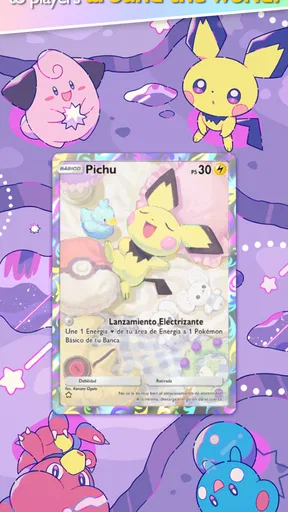
Developed by The Pokémon Company, this free card game is built around collecting Pokémon cards and enjoying the small rituals of a digital pack-opening experience. The central appeal is not simply accumulating a huge collection; it is seeing what turns up, deciding what you want to keep close, and gradually giving your collection a personal shape. That makes it approachable even if you have not followed the physical trading card game closely.
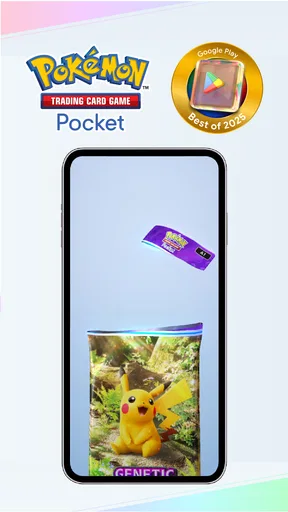
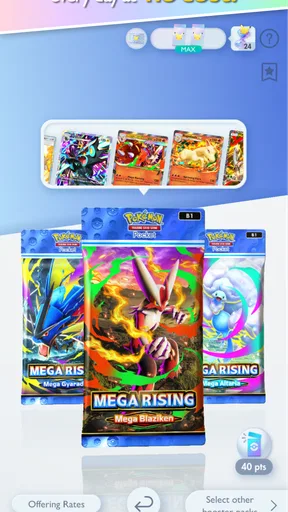
The game lets you open two booster packs each day without paying, which gives casual players a natural reason to check in. I like that this creates a simple routine rather than demanding a long daily session. A quick visit can still feel satisfying, especially when you are curious about a particular set of cards or want to see whether a new pull changes what you are collecting.
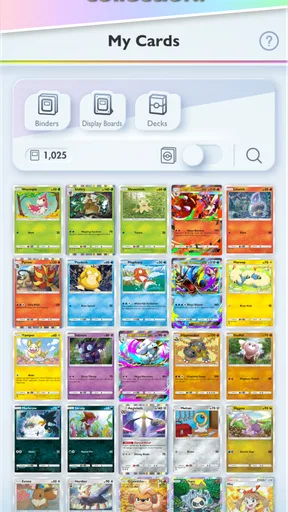
That routine also explains the game’s focus. A pack is a moment of anticipation, but the longer-lasting pleasure comes from comparing what you have, spotting gaps, and choosing where to focus next. If you enjoy the tactile feeling of collecting but want it in a convenient digital format, this is a particularly easy Pokémon game to make room for.
Why opening packs works here
Pack opening is familiar territory for card-game fans, but Pocket makes it the main event rather than a quick prelude to a demanding battle system. I find that distinction useful when deciding whether to install it. You do not need to approach every session with a deck-building plan or a competitive goal; you can simply enjoy the reveal, take stock of the cards, and stop when you are ready.
The strongest moments are the ones where a new card gives your collection a clearer direction. Instead of treating every pull as an isolated prize, I recommend thinking in small themes: a Pokémon you particularly like, a visual style you want to collect, or a set of cards that makes you curious about trying the game’s battles. That mindset helps prevent the collection from becoming an endless tally of what you do not own.
It is also worth separating the excitement of opening packs from the expectation of completing a collection quickly. The free daily openings are a meaningful part of the experience, but they suit a patient collector better than someone who wants immediate access to every card. If your enjoyment depends on finishing a set on a schedule, the slow rhythm may feel like a limitation rather than a pleasant ritual.
How the play fits around the collecting
There is more to Pocket than looking at cards: it is a card game, and battles give the collection a practical purpose. Still, my impression is that the game’s strongest identity remains its collecting loop. The play is best approached as a way to enjoy the cards you are gathering, not as a promise that every part of the experience will satisfy someone looking for a highly involved competitive scene.
That balance makes it easier to recommend to Pokémon fans who are curious about card games but wary of complicated rules. You can start with the appeal of the collection and let your interest in playing grow naturally. If you already enjoy trading card games for intricate deck construction, repeated strategic matchups, and a demanding path to mastery, you may want a more play-focused alternative alongside this one.
A practical tip is to decide what you want from a session before opening the game. If you have only a minute, make it a collection check-in and enjoy the pack-opening ritual. If you want a more active session, use the cards you have as a reason to explore battles. This small distinction keeps the game from feeling like a chore to complete every day and makes its short-session design work in your favor.
The trade-off: patience and paid options
Pocket is free to download, but it includes in-app purchases priced from $0.99 to $99.99 per item. That wide range matters because the collection loop naturally encourages curiosity about what might appear next. I would approach spending with a limit decided in advance, rather than letting a run of exciting openings set the budget for me. The no-cost daily packs make it possible to enjoy the basic routine without treating purchases as a requirement.
The main friction is that collecting can make missing cards feel more prominent than the cards you already have. That is a common tension in pack-based games, and Pocket’s relaxed pace does not remove it. If you are prone to spending more when you are close to a collection goal, pause and ask whether you are still enjoying the reveal itself or simply trying to force a particular result. The game works best when you are comfortable with gradual progress.
Another limitation is that a daily routine can become repetitive if you want every visit to deliver a substantial new activity. Opening packs is satisfying, but the appeal depends on whether you enjoy the anticipation even when a session does not transform your collection. I would not choose it as my only game if I wanted fresh challenges and deep strategic engagement every time I opened an app.
Who will get the most from it
I would recommend it first to Pokémon fans who like collecting artwork and cards, casual players who prefer short sessions, and newcomers who want a gentle way into digital card games. Its age rating is Everyone, and that broad accessibility suits the straightforward appeal of collecting. It has also reached more than 50 million installs and holds a 4.6 average from around 1.8 million ratings, signs of a large audience without being a reason on their own to assume it will fit your tastes.
For a realistic everyday use case, imagine having a few minutes between errands or during a commute. You can open the game, collect your daily packs, look through the results, and leave without needing to reserve a long block of time. That is where Pocket feels most natural to me: a small, self-contained Pokémon moment rather than a game that insists on occupying the whole evening.
I would be more cautious about recommending it to someone who dislikes randomized collection systems, feels pressure to complete every set, or wants a competitive card game to reward extended practice above all else. A traditional card game may be a better match if you want more direct control over the cards you acquire and a heavier emphasis on building and refining decks. Pocket’s convenience is a strength, but it is tied to a lighter, more collection-led style.
A useful way to start
When you begin, give yourself a modest goal rather than trying to collect everything. Pick a favorite Pokémon or a visual theme and notice how the cards you find change that focus. This keeps each opening connected to something you care about, and it also gives you a reason to explore the gameplay without turning every card into a checklist item.
If you are deciding whether to spend, first see whether the free daily routine is enjoyable on its own. That is a better test than judging the game by a lucky opening or by how close you are to a particular card. You can also treat battles as optional discovery: play when you want to use your collection, and return to collecting when that is what you actually find relaxing.
The current version is 1.7.5, and the stated minimum operating-system requirement is Android 7.0. On Apple devices, check the app store’s compatibility details for your particular device before installing. The key decision is less about technical complexity than about taste: do you enjoy a steady card-collecting ritual, or do you need a more intense game loop to stay interested?
My verdict
Pokémon TCG Pocket is an easy recommendation for people who want Pokémon collecting in a convenient, low-pressure format. Its free daily packs, approachable sessions, and collection-led appeal give it a clear purpose, and its battles add another way to engage with the cards. I especially like it as a small daily diversion for fans who value discovery more than constant competition.
It is not the right fit for everyone. The gradual pace may test collectors who want to complete sets quickly, paid options call for sensible boundaries, and strategically ambitious players may prefer a more demanding card game. But if you can enjoy the cards you find without expecting every session to deliver a specific result, I think this is a charming way to keep Pokémon close at hand. It is best enjoyed as a relaxed collecting companion, not as a substitute for every kind of card game.
What we like
- Quick battles make it easy to play in short sessions.
- Daily booster packs offer a steady way to grow your collection.
- Card art includes immersive visual effects on select cards.
- Beginner-friendly rules make learning the game approachable.
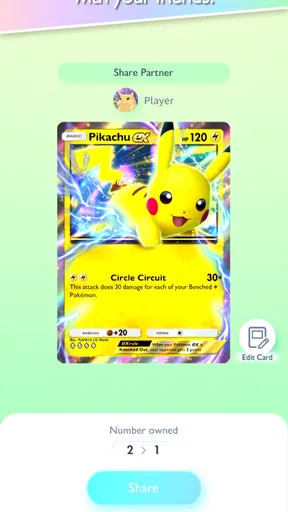
- Trading lets players work toward cards they are missing.
What could be better
- Trading has restrictions that can make specific cards difficult to obtain.
- Some cards require repeated pack openings to collect.
- Online matches depend on a stable internet connection.
- Limited deck-building options may frustrate experienced players.
- In-app purchases can speed up collection growth.