 Analysis byWeUseApps
I can see the appeal of Fluffy Drop right away: it sounds like a gentle change of pace from trivia games that turn every answer into a race. The “No Timer” name sets a useful expectation. This is a puzzle-focused game for players who would rather think at their own speed than react under a countdown. That can make a real difference when you want a small, low-pressure activity rather than another score-chasing challenge.
I’d be most inclined to try it during an ordinary pause in the day: while waiting for someone, winding down after work, or sitting with a cup of tea and a few minutes to spare. A relaxed puzzle can fit those moments better than a quiz that demands constant attention. The key question, though, is whether that first pleasant impression has enough depth to bring me back after the novelty wears off.
Why the first sessions feel inviting
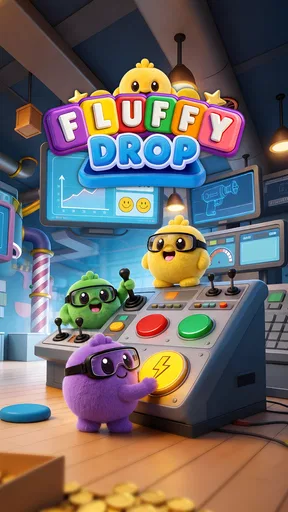
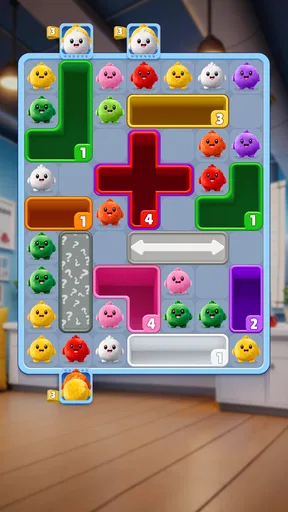
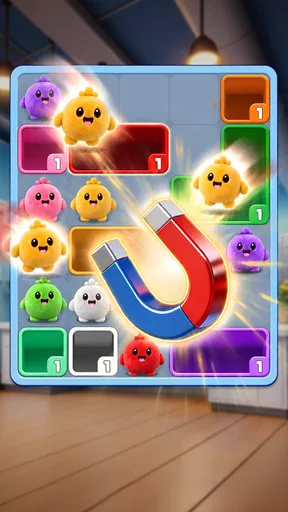
As a trivia game from UniRise Studio, Fluffy Drop sits in a space between casual puzzles and conventional quiz apps. Many trivia games lean on quick recall, timed rounds, or competitive scores. The no-timer framing suggests a different rhythm: I can focus on working through a puzzle without feeling that a slow answer is automatically a bad answer. For players who dislike pressure, that is a meaningful distinction, not just a cosmetic one.
The cozy tone also suits short sessions. I don’t need to set aside a whole evening or get into a competitive mindset to make the game feel worthwhile. It is easier to pick up when I have a few unplanned minutes, and the puzzle-adventure framing gives those minutes a clearer purpose than simply answering a string of unrelated questions. That makes the game a reasonable choice for someone who wants light mental engagement without the intensity of a timed quiz.
The early attraction is likely to be strongest for people who enjoy solving at their own pace and prefer a softer presentation to a hard-edged contest. If you usually abandon trivia games because you feel rushed, this is the kind of alternative worth considering. If, on the other hand, your favorite part of a quiz is beating a clock or competing for speed, the central appeal here may feel like a missing ingredient rather than a benefit.
A better fit for pauses than marathons
I would treat it as a pocket-sized diversion, not a game that needs to dominate a routine. A useful everyday approach is to play during one natural break instead of opening it every time there is a spare second. That keeps the activity feeling intentional and makes it easier to judge whether its puzzles are genuinely enjoyable or simply filling time.
There is also a practical advantage to choosing a no-timer experience when your attention may be interrupted. If you are waiting for a bus or expecting a call, a slower puzzle can be a more comfortable fit than a round that punishes a pause. I would still avoid starting a puzzle when I know I need to focus on something else, but the relaxed premise is better suited to stop-and-start moments than a timed challenge would be.
What may keep it in the rotation
Fluffy Drop has room to become a modest habit if its puzzles continue to feel satisfying after the opening sessions. The strongest recurring value of a no-timer game is that it can be played for concentration rather than urgency. I can take a moment to consider a clue or choice, and that makes it easier to return when I want a calm mental reset. For a player who values that feeling, the game does not have to become a daily ritual to earn occasional space on a phone.
Still, a relaxed pace alone does not guarantee lasting variety. The real test is whether each return offers enough fresh thinking to feel different from the last one. I would pay attention to whether I look forward to solving another puzzle, rather than opening the game out of habit and tapping through without interest. That is a useful way to evaluate any casual title: does it reward attention, or merely occupy it?
Compared with standard timed trivia, this game appears better suited to considered play than to rapid-fire knowledge checks. Compared with open-ended puzzle games, its trivia identity gives it a more question-oriented flavor. That middle ground may be exactly right for someone who likes quizzes but wants less pressure. It may be less satisfying for a player seeking deep strategy, a strong social contest, or a steady stream of escalating difficulty.
Keeping the habit light
My advice would be to attach it to a specific kind of moment rather than make a strict schedule. For example, use it as a brief wind-down after finishing a task, then close it when the break is over. That approach makes the game easier to enjoy without turning leisure into another obligation. It also gives you a clearer sense of whether the experience is worth returning to: if you naturally want another session next time, it is earning its place.
Another helpful test is to notice what you want from the game on a particular day. If you want quiet problem-solving, Fluffy Drop’s no-timer positioning is promising. If you want a quick burst of competition or a challenge that measures fast recall, a conventional timed quiz is likely to serve you better. Choosing between those moods is more useful than expecting one trivia game to satisfy every kind of play.
Cost, access, and who should try it
The game is free to start, with optional in-app purchases listed from $0.99 to $39.99 per item. I would treat that range as a reason to be deliberate about spending, not as a reason to assume that purchases are necessary. Try the free experience first and decide whether the puzzles hold your interest before paying for anything. That is especially sensible for a casual game whose lasting value depends on how much you enjoy returning to it.
It is rated Everyone, so its intended audience is broad. The game has a 4.5 average from around 19,000 ratings, and it has more than a million installs. Those figures suggest that it has found an audience, but they cannot tell me whether its particular pace and puzzle style will suit you. I would use them as context, then make the decision based on whether you prefer calm, self-paced play to the familiar pressure of a timer.
Fluffy Drop is free, is currently at version 1.19.2, and runs on Android 7.0 or later. Those details make it a practical option for players with compatible devices who want to try a casual puzzle without paying upfront. The sensible next step is to begin with a short session, see whether the game’s rhythm feels relaxing rather than slow, and avoid treating optional purchases as part of the basic commitment.
Where the friction can appear
The same unhurried quality that makes the game approachable can become a limitation. If you like clear pressure, fast rounds, or a strong sense of urgency, a no-timer format may feel too gentle. Some players need a countdown to make trivia engaging; without it, they may find that solving loses its edge. That is not a flaw for everyone, but it is a genuine mismatch worth considering before you expect this to replace a competitive quiz app.
There is a second possible source of fatigue: casual puzzle games can become repetitive when the basic pleasure of solving is no longer enough. I would not keep playing simply because the presentation is pleasant. If I start recognizing the same mental routine and no longer feel curious about the next puzzle, taking a break is better than forcing a daily habit. A game earns long-term space by staying enjoyable, not by demanding loyalty.
For that reason, I would skip it if you are primarily looking for multiplayer rivalry, timed leaderboards, or a demanding strategy experience. It also may not be the right pick if you want a game that constantly pushes you to play longer. Someone who wants a quiet, occasional puzzle is a stronger match than someone looking for a high-energy trivia contest or a deep long-term progression challenge.
Will it last beyond the novelty?
My verdict is that Fluffy Drop is worth trying if the no-timer approach is exactly what you want from trivia: a softer, more thoughtful way to occupy a short break. Its clearest strength is the low-pressure premise, which gives it a distinct role beside faster quiz games. I can picture keeping it installed as an occasional reset rather than making it the center of my gaming routine.
Whether it earns permanent space comes down to one simple check after the first week: do you still choose it when you have other things to play? If the answer is yes because its puzzles help you unwind or focus, the game has found a useful place in your day. If the cozy first impression fades and you begin opening it only out of habit, there is no reason to force the relationship. I’d recommend it to patient puzzle fans, while pointing competitive trivia players toward a faster alternative.
What we like
- No countdown timer lets you play at a relaxed pace.
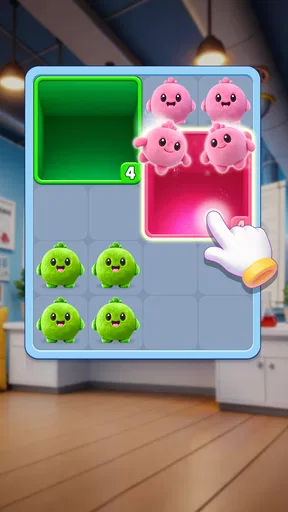
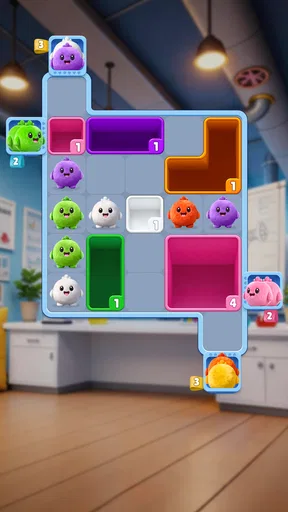
- Simple controls make it easy to learn.
- Short rounds suit quick play sessions.
- A cute visual style gives the game a lighthearted feel.
- The straightforward objective is easy to understand.
What could be better
- Gameplay may feel repetitive after extended play.
- The challenge may be too light for some players.
- Limited variety can reduce long-term replay value.
- Some players may find progress slow.
- Ads may interrupt play depending on the version.