 Analysis byWeUseApps
Duolingo works best when I treat it as a friendly daily practice habit, not a complete language course. Its short, game-like lessons make it easy to return to a language even on a busy day, and that steady contact can be genuinely useful. The trade-off is that a streak and a string of correct answers can feel like progress without giving me enough practice for an unscripted conversation. I’d recommend it as an approachable starting point or a regular companion to deeper study, with that distinction in mind.
Small lessons that are easy to keep doing
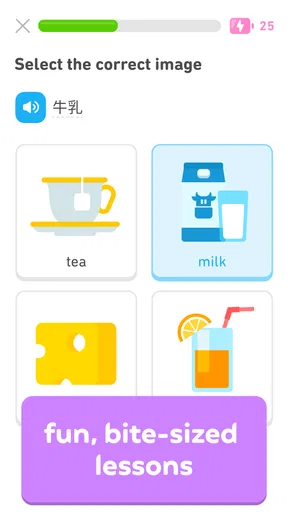
Duolingo is a free education app from Duolingo, and its reach is hard to miss: it has more than 500 million installs and a 4.7 average from around 51 million ratings. Those numbers suggest that its core approach appeals to a broad audience, but the practical reason is simpler. Lessons are divided into manageable activities, so I can fit a little practice into a spare moment instead of setting aside a long study session.
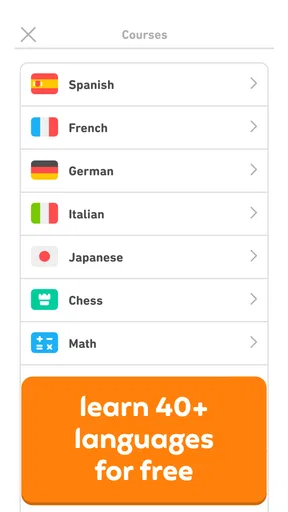
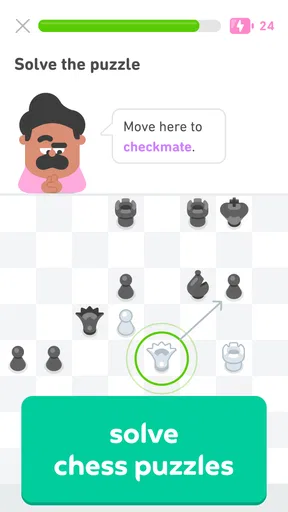
The app brings languages together with chess, math, and music, giving it a broader learning menu than a language-only tool. For someone who opens it to learn Spanish or French, the main draw is still the language practice. I found its playful presentation useful as a nudge to begin; it lowers the psychological hurdle of studying when I’m tired or unsure where to start.
That ease of entry is also the app’s central design choice. Rather than asking me to plan a syllabus, it guides me through small tasks and keeps the next action visible. This suits a beginner who wants structure without having to choose a textbook, lesson order, or daily exercise. It is less compelling for a learner who already knows what they need to work on and wants to control every part of a course.
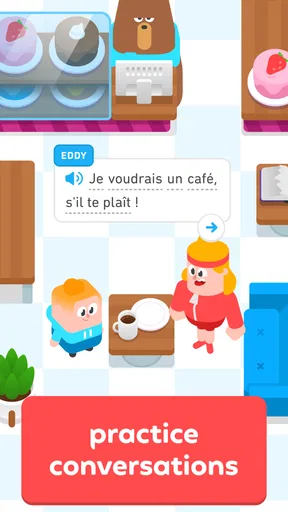
In a realistic routine, I might complete a short lesson while waiting for a bus, then revisit a few tricky items later rather than attempt a full study block. That kind of repeated contact can help keep vocabulary and sentence patterns familiar. I would not count a quick session as a substitute for speaking with another person, but it can make it easier to maintain momentum between classes, tutoring, or independent reading.
What the game-like approach gets right
The strongest feature is not any single exercise; it is the way the app makes starting again feel manageable. A lesson can provide a defined goal and immediate feedback, which is useful when I have only a little attention to spare. For learners who struggle to turn good intentions into a routine, that low-friction format may matter more than a theoretically richer course they rarely open.
The variety of subject areas is another practical distinction. Someone curious about more than one topic can use the same app for language study and explore chess, math, or music as well. I would still choose a dedicated resource when I want advanced instruction in one of those fields, but having different learning activities in one place can help keep a short daily habit from feeling too repetitive.
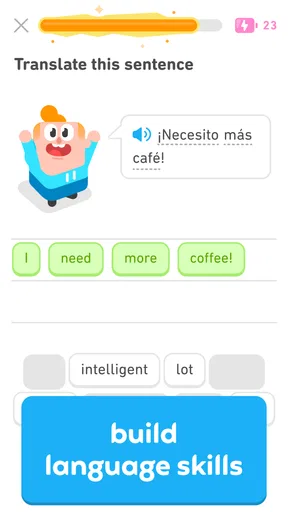
A useful way to get more from the language lessons is to slow down when an answer surprises me. Instead of tapping through until I reach the end, I can pause, say the sentence aloud, and identify which word or construction made it work. I also find it helpful to note a small number of unfamiliar expressions outside the app and make my own example sentences. That extra step turns a recognition exercise into something closer to active recall.
Another good workflow is to pair app practice with a real-world task. After a session, I might try to read a simple sign, understand a short message, or describe an ordinary object in the language I’m studying. The app gives me a structured prompt; the real-world attempt shows whether I can retrieve the material without the same cues. This is a modest but important check, because recognizing a suggested answer is easier than producing one independently.
Where practice can feel narrower than progress
My main reservation is that a polished lesson can create a sense of fluency that does not always carry over to conversation. Choosing or completing an answer is not the same as handling a fast exchange, understanding an unfamiliar accent, or finding the right words under pressure. I would not rely on Duolingo alone if an upcoming move, job, exam, or family conversation requires confident speaking or detailed writing.
The app is most useful when I treat its feedback as a prompt to learn, rather than as a final explanation of every mistake. A correction may tell me that an answer was wrong, but I still need to work out why and remember the pattern next time. If I keep guessing until an exercise accepts an answer, I can finish a lesson without understanding the point that caused trouble. Taking a moment to explain the correction to myself is slower, but more worthwhile.
Its game-like structure can also pull attention toward completion. Streaks and progress markers may encourage consistency, yet they can make the daily target feel more important than the quality of practice. On a day when I am rushing, I might finish an activity just to maintain a routine and retain very little. I’d rather do one focused lesson, revisit an uncertain phrase, and stop than let a score become the reason I keep tapping.
There is also a difference between guided learning and choosing exactly what to study. A learner who needs specialized vocabulary, a carefully sequenced grammar course, or extensive feedback on essays may be better served by a teacher, a course designed for that goal, or a reference book. Duolingo can make regular practice accessible, but that convenience does not remove the need to seek more targeted help when the stakes or level of detail increase.
Who is likely to get the most from it
I think this app is a strong fit for a curious beginner, a casual learner returning to a language, or someone who wants a dependable way to practise in small intervals. It can also suit a student who already has lessons elsewhere and wants extra exposure between them. The best results are likely to come from pairing its structured exercises with listening, reading, and conversation that reflect the learner’s actual goals.
It is less suitable as the sole resource for someone who needs to become conversational quickly or already has an intermediate command and wants challenging, open-ended practice. If I needed to prepare for a specific interview or communicate comfortably in a new city, I would use a tutor or conversation partner for live speaking and add focused listening and reading materials. Duolingo could still fill spare moments, but it would not be my entire plan.
The app is free to start, with in-app purchases ranging from $0.99 to $239.99 per item. I would try the free experience first and judge it by whether its lesson style fits my routine, rather than assuming a purchase is necessary to make progress. The age rating is Everyone, which makes it accessible to a broad audience, though younger learners will still benefit from an adult helping them connect practice with real communication.
For anyone wondering whether they need a perfect daily schedule, I’d begin with a time of day already associated with a brief pause—after breakfast, during a commute, or before winding down—and keep the goal modest. If the habit sticks, add a separate activity that tests recall without the app’s prompts. If it does not, the problem may be the routine or the lesson format, not a lack of ability; a class, book, or conversation-based alternative may feel more engaging.
A practical verdict
With a 4.7 average across around 967,000 reviews, Duolingo is clearly a popular choice, but its popularity is not the reason I’d recommend it. I’d choose it because it makes regular practice approachable and gives learners a straightforward way to begin. Its strengths are convenience, structure, and an inviting tone; its limitation is that guided, bite-sized exercises cannot stand in for the messy work of using a language with people.
My advice is to use it as a starting point and a habit-builder, then deliberately take what you practise beyond the screen. Say new phrases aloud, make your own examples, and add real listening or conversation when you can. If that combination sounds appealing, this is an easy app to try. If you want deep instruction, personalized correction, or speaking confidence on a deadline, choose a more targeted resource and use Duolingo only as a supplement.
What we like
- Short lessons fit easily into a daily routine.
- Speech exercises provide basic pronunciation practice.
- A placement test can match lessons to your skill level.
- Progress tracking makes study habits easy to monitor.
- Many language courses are available in one app.
What could be better
- Some lessons require an internet connection.
- Free users may encounter frequent ads.
- Hearts can limit practice after mistakes.
- Course depth varies between languages.
- Explanations may feel too brief for complex grammar.