
 Analysis byWeUseApps
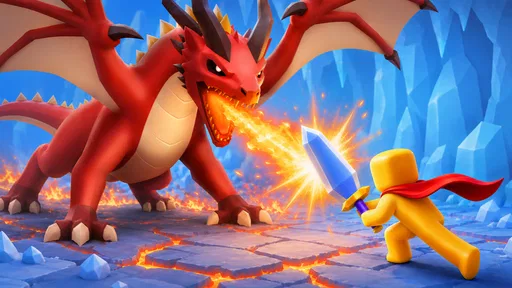
I can see why XP Hero catches the eye: it promises a straightforward role-playing adventure built around battles and character growth, rather than asking me to learn a sprawling rulebook before I can get started. That makes it an easy game to try during a spare moment. The more important question, though, is whether the appeal of powering up holds once the first burst of progress wears off. My answer is that it suits players who enjoy a clear, repeatable growth loop, but it may not become a lasting favorite for anyone who needs a deep story or a steady stream of tactical decisions.
Quick progress is the first-week hook
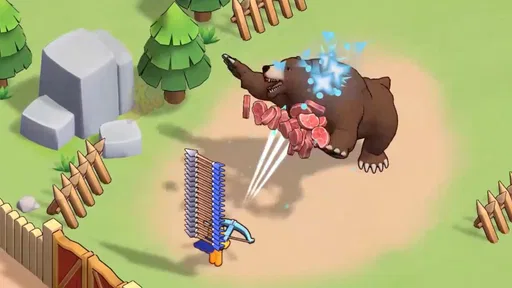
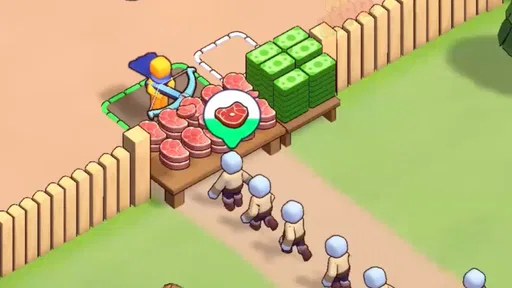
In its opening stretch, the central pleasure is easy to understand: fight, earn progress, and make your hero stronger for the next challenge. That familiar role-playing rhythm gives each short session a purpose. I don’t need to set aside a long evening or remember a complicated set of objectives to feel that I have moved forward. For a newcomer to the genre, that low barrier is a genuine strength.
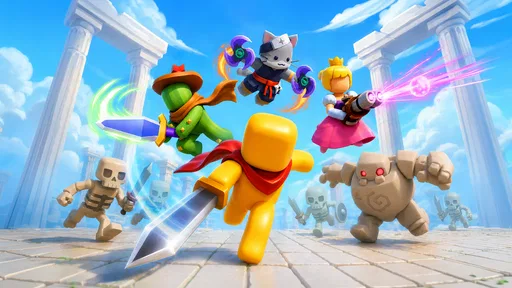
The game is a role-playing title from Supercent, Inc., and its basic premise is best approached as an accessible adventure rather than a highly demanding simulation. If you have enjoyed games where a character’s growing power is the main reward, the loop should feel comfortable. It is also suitable for someone who wants a game to dip into between other tasks instead of one that expects uninterrupted attention.
That convenience comes with a trade-off. A visible increase in strength can make early progress feel satisfying, but growth alone does not guarantee that every battle will feel meaningfully different. Players who look for layered party tactics, elaborate narrative choices, or a carefully constructed world may find the basic appeal less compelling than they would in a more story-led or strategy-heavy role-playing game.
I would use the first few sessions to judge the feel of the cycle, not just how quickly progress arrives. Notice whether you enjoy returning to combat after a short break, and whether improving your hero feels like a choice you care about or simply a number going up. That distinction is a better predictor of lasting enjoyment than the initial rush of advancement.
Who is likely to enjoy the opening hours?
XP Hero is a sensible pick for casual role-playing fans, younger players who meet its age guidance, and anyone who likes a clear objective without a steep learning curve. Its Everyone 10+ content rating makes it more approachable for families than games aimed at mature audiences, though parents should still decide whether in-game spending is appropriate for their household.
For a realistic everyday use case, imagine having a few minutes during a commute break or while waiting for an appointment. A game centered on battles and progression can give that pause a simple shape: play, make some headway, then put it down. I would avoid starting a session when I need to focus on something else, however, if I find myself tempted to keep chasing one more improvement. The game’s easy-to-grasp loop can make stopping feel less natural than starting.
What can carry it beyond the novelty?
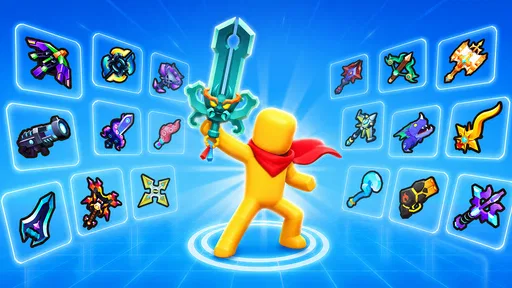
The strongest case for returning is the relationship between effort and visible character growth. When a game makes the next step understandable, it is easier to form a small habit around it: play for a while, check how your hero has improved, and decide whether another round sounds worthwhile. That is a more durable foundation than a complicated opening that overwhelms new players.
Still, I would not mistake accessibility for depth. The store description frames the experience around battles and becoming stronger, and that gives a clear sense of its focus. It does not, by itself, promise a sprawling campaign or a host of distinct play styles. If your ideal role-playing game is one where you spend as much time weighing party composition, exploring a rich setting, or shaping a branching story as you do fighting, a different kind of RPG may hold your attention longer.
One useful way to test the game’s recurring value is to ask whether you return because you enjoy the actual play or only because you want to finish the next upgrade. If the battles remain enjoyable on their own, the growth loop can support a regular routine. If progression is doing all the work, the habit may fade once improvements feel less exciting. That is a personal distinction, but it matters more than simply counting how many sessions you have played.
Keeping the game in a healthy routine
For a mobile game built around repeated progress, I find it helpful to set a natural stopping point before I begin. For example, I might decide to play until I have made one satisfying step forward, then close the game rather than letting a short break stretch indefinitely. This approach is especially useful if I am trying to fit gaming around work, study, or family time.
It is also worth treating purchases deliberately. XP Hero is free to download, but it offers in-app purchases ranging from $0.99 to $99.99 per item. Those options mean the game can be tried without an upfront purchase, while spending can become a separate decision. I would start by seeing whether the core experience is enjoyable without buying anything, and set a budget in advance if I choose to spend. A purchase is not automatically a better way to enjoy a progression game; the more useful question is whether it adds something I genuinely value.
The game’s rating and audience size suggest that it has reached a substantial player base: it has a 4.4 average from around 200,000 ratings and more than 10 million installs. That can reassure someone who wants to try a well-established mobile title, but popularity is not a substitute for personal fit. A game can be widely played and still be the wrong choice for a player who wants less repetition or more complex decision-making.
What may feel tiring over time?
The likely source of fatigue is the same thing that makes the game approachable: a repeatable focus on fighting and improving your hero. Repetition is not inherently a flaw; plenty of players enjoy a familiar loop precisely because it is easy to return to. But if you need every session to introduce a new mechanic, a surprising story development, or a fresh strategic puzzle, a focused progression game may begin to feel predictable.
I would also be cautious about judging long-term value from a strong first impression. Early progress can make the path ahead feel exciting, while the routine later on may ask for more patience. Rather than assuming that every upgrade will feel equally rewarding, consider whether you still enjoy the basic act of playing when the reward is modest. That is the point at which the game either becomes a comfortable repeat visit or starts to resemble a chore.
Another practical limitation is opportunity cost. If you have room for only one mobile RPG, XP Hero is a better match for a quick, uncomplicated growth loop than for a player seeking a long-form narrative or intricate combat planning. Someone who wants sessions with substantial choices may get more from a conventional story-driven RPG; someone who wants competitive depth may prefer a game built around player-versus-player strategy. Those alternatives are not necessarily better overall, but they serve different habits.
There is also a difference between a game that is easy to maintain and one that asks for constant attention. XP Hero’s simple premise makes it easy to understand when you return after a break, which is useful if you do not play every day. At the same time, if you enjoy games that reward careful planning across many interconnected systems, a streamlined experience may leave you wanting more to manage. I see that as a matter of preference rather than a universal weakness.
Practical details before you install
The game is free, is listed for Android devices running version 7.0 or later, and its current version is 27.0.0. It was released on February 21, 2025. Those details make it straightforward to check basic compatibility before downloading, while the optional purchase range is worth keeping in mind if your household shares a device or payment method.
For a first-time player, I would keep the initial test simple: install it, try a few sessions at the times you would realistically play, and see whether you look forward to the next one. Don’t judge it only by how quickly the hero improves. Pay attention to whether the combat itself is pleasant, whether the progression gives you a reason to return, and whether the game fits comfortably into your day rather than crowding it.
Version 27.0.0 identifies the current release, but I would not assume that a version number alone tells you how often the game changes or what a future update will contain. The best way to assess its present fit is to try the experience as it stands and decide whether its core rhythm suits you. That is more useful than waiting for hypothetical changes to solve a mismatch in taste.
Does it earn a lasting place?
For me, XP Hero earns a place on a phone when I want an accessible role-playing game whose appeal is easy to pick up again. It is most convincing for players who enjoy battling, seeing their hero grow, and making modest progress in short sessions. Its free entry point lowers the risk of trying it, while the optional purchases make it sensible to decide on spending boundaries early.
I would not recommend it as a default choice for every RPG fan. If your enjoyment depends on a rich story, intricate builds, or battles that demand close tactical thought, choose a game built around those strengths instead. If you mainly want an uncomplicated progression loop, though, this is a reasonable option to test. Keep it only if the routine remains enjoyable after the novelty of rapid growth fades. Its lasting value depends less on how powerful your hero becomes than on whether you still like the journey between upgrades.
What we like
- Quick sessions make it easy to play during short breaks.
- Simple controls are approachable for newcomers.
- Progression gives players goals to work toward.
- The hero theme adds a familiar fantasy feel.
- It can be a lightweight option for casual gaming.
What could be better
- Gameplay may feel repetitive after extended play.
- Progress can slow down as challenges become harder.
- The experience may offer limited depth for genre fans.
- Some players may find the difficulty uneven.
- Its appeal depends heavily on enjoying the core gameplay loop.