
 Analysis byWeUseApps
Avatar World is easiest to enjoy when you treat it as a playful space to explore rather than a role-playing game built around winning. I’d recommend it to someone who likes making characters, trying out everyday pretend-play ideas, and dipping in for a short session without needing to master complicated rules. Its first meaningful success is simple: create a character you like, find a place that catches your eye, and start making up a scene.
A gentle entry into make-believe
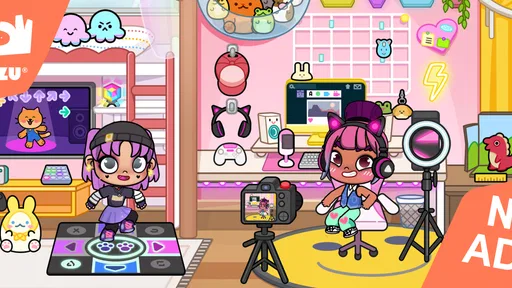
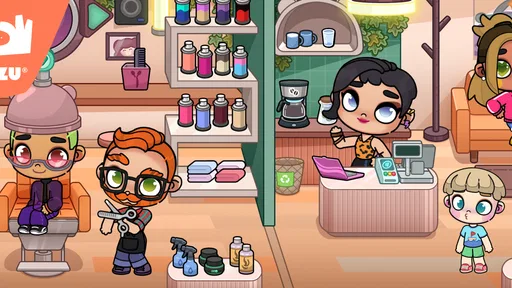
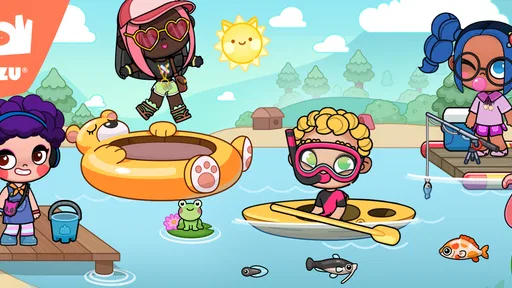
Although it sits in the role-playing game category, the appeal here is less about battles, levels, or a long quest and more about self-expression. The game gives you a colorful world to use as a backdrop for your own ideas. That makes it a natural fit for players who want to invent a character and decide what happens next, rather than follow a demanding story with a fixed goal.
The mood is friendly and accessible, which suits the Everyone age rating. I can see it working especially well for younger players who enjoy imaginative play, and for families looking for a game that can be shared in short bursts. Adults may find it pleasant too, though anyone looking for strategic depth or a strong narrative may find the open-ended approach too light.
Pazu Games is the developer behind it. The game is free to download, and its broad reach is reflected in more than 100 million installs, along with a 4.7 average from around 6.7 million ratings. Those figures suggest that its simple, creative premise has found a large audience, but they don’t change the practical question: does this style of play suit you? If you like making up scenes more than chasing objectives, it has a clear reason to be on your device.
One useful expectation to set before opening it is that a playful world does not automatically mean a guided tutorial or a checklist of goals. You may need to decide what counts as progress. For me, that is a strength when I want freedom, but a weakness when I want the game to tell me exactly what to do. A child who asks “What’s the mission?” may need a little encouragement to invent one.
Getting comfortable on your first visit
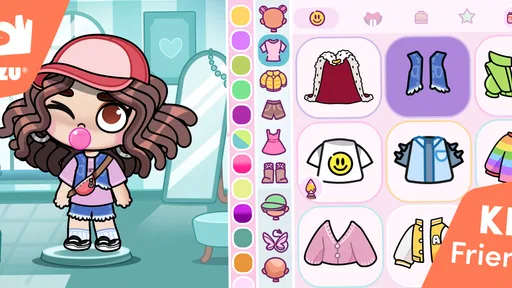
On the first visit, resist the urge to explore every option at once. Start by choosing or shaping a character, then pause to look around and decide what kind of scene you want to create. A useful starter idea is to make a character getting ready for an ordinary day, then build a small story around where they go and who they meet. Having a simple premise makes an open-ended game feel less like a blank page.
If you are setting it up for a child, I’d suggest staying nearby for that first session. Not because the play itself needs complicated instructions, but because a little guidance can turn browsing into storytelling: “Who is this character?” or “What are they doing here?” are better prompts than trying to explain every part of the screen. Let the child lead once they have a basic idea, and resist taking over the story.
The current version is 1.226, and the minimum operating-system requirement is Android 7.0. The game is free to begin, with in-app purchases ranging from $0.99 to $59.99 per item. I’d make the purchase arrangement part of the setup conversation if a child will be playing. The download price and optional purchases are different things, so agreeing on expectations in advance can prevent an otherwise happy play session from turning into a request to buy something.
For a first session, keep the goal deliberately small: make one character, choose one setting, and invent one scene. That gives you a quick way to tell whether the central appeal works for you without turning the first visit into a tour of everything the game offers. If the player starts telling a story without needing prompts, that is a good sign this style will hold their attention.
Finding a first satisfying scene
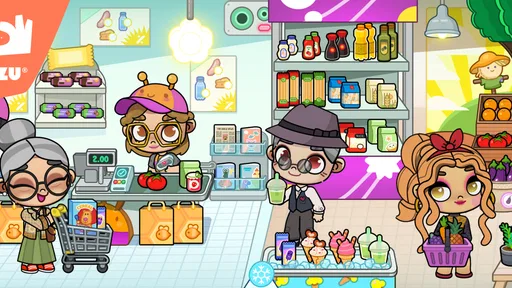
My favorite practical approach is to use a familiar routine as the starting point. A pretend morning, a trip somewhere, or a conversation between characters gives the player a structure they already understand. From there, small details can become the story: a character is late, has changed their mind, or wants to bring someone along. The value is not in completing a hidden objective; it is in turning a few choices into a scene that feels personal.
This is also where the game’s open-ended design can be more useful than it first appears. A player who is shy about inventing a fantasy plot can begin with an ordinary situation. A parent or sibling can suggest a gentle twist, then let the player decide what happens. It’s a low-pressure way to encourage creative choices without needing to teach a complicated system.
Another helpful habit is to stop while the scene still feels enjoyable. Because the play is not centered on a clear finish line, it can be tempting to keep tapping around in search of a final “done” moment. Instead, decide that the first success is a completed little story, even if it lasts only a few minutes. That makes it easier to return later with a new idea rather than feeling that the game has become an endless task.
If several people are sharing the device, take turns directing the story instead of passing it around without a plan. One person can choose the character’s next action while another decides what happens in response. This makes the open format feel collaborative and gives each player a clear role. It also helps avoid a common kind of friction: one person changing the scene before another has finished their idea.
What can feel confusing, and how to handle it
The biggest adjustment is that open-ended play can feel like a lack of direction. Players used to games with missions, maps, or a visible list of tasks may wonder whether they are missing something. Rather than searching for a single correct route, choose a small role-play prompt and see where it leads. If that still feels unsatisfying, the game may simply not be the right match for someone who wants firm objectives.
It can also be easy to spend a session browsing instead of playing. Character choices and a colorful setting invite exploration, but too much switching can interrupt the story before it begins. My tip is to settle on a character and a scene for a short stretch, then change things only when the story gives you a reason. This small boundary makes the experience feel more intentional without imposing a strict rule on the player.
Purchases are another point worth handling clearly. The game costs nothing to download, but some items can be bought inside it. If a child is using the device, decide beforehand whether purchases are off the table or require an adult’s permission. That simple conversation is more useful than assuming that “free” means there can be no spending decisions later.
It is worth distinguishing this kind of role-play from a traditional role-playing game. Someone expecting character statistics, combat, equipment progression, or a lengthy plot may find Avatar World too focused on imaginative scenes. In that case, a story-driven adventure or a more mechanics-heavy RPG would likely be a better choice. On the other hand, a player who enjoys creating their own characters and directing their own little dramas may find those conventional systems restrictive.
The game’s broad audience can also mean different players want different things from the same session. A young child may be happy to explore and invent freely, while an older player may want more structured goals. It helps to agree on the purpose before handing over the device: a short creative break, a shared storytelling session, or solo exploration. That makes it easier to judge the game on what it is designed to offer instead of expecting it to behave like another genre.
Who will enjoy it, and what to try next
I’d put it on the shortlist for first-time players who want a forgiving way into imaginative digital play. It is particularly well suited to someone who enjoys choosing a character and building a story from familiar situations. It can also work as a calm, shared activity: one person proposes the scene, another suggests what the character might do, and the player at the controls decides which ideas to use.
It is less suitable for anyone who needs a strong sense of progression, difficult challenges, or a plot that unfolds without their input. If you are choosing between this and a conventional RPG, ask whether you want to be guided through someone else’s story or make up your own. That distinction is more important than the category label. Avatar World favors the second option.
For a next step after the first scene, try changing only one element: keep the character but give them a new situation, or keep the setting and imagine a different reason for being there. Changing one thing at a time makes it easier to see how much variety you can get from your own ideas, rather than feeling that you need to explore every choice before you can play well.
There is no need to turn the game into a daily commitment. Its strength is that it can support a brief, self-contained burst of make-believe, while its open format may be less compelling when you want a clear endpoint. If the player naturally returns with new stories, that is the best reason to keep it installed. If they repeatedly ask for missions and a defined finish, I’d choose a more structured game instead.
My overall recommendation is to try it with one small story in mind and keep purchase expectations clear from the start. Avatar World is at its best when you bring the direction yourself: choose a character, give them a situation, and let the scene grow. It is a welcoming creative playground, not a substitute for a quest-driven RPG, and knowing that difference makes the first visit much more rewarding.
What we like
- Frequent updates add new places and activities.
- Character customization offers many outfit choices.
- Open-ended play encourages imaginative storytelling.
- Touch controls are easy for young players to use.
- Many areas can be explored without a strict mission.
What could be better
- Some locations and items require in-app purchases.
- Advertisements may interrupt play.
- The large number of options can feel overwhelming at first.
- Progress may not carry over easily between devices.
- The game needs an internet connection for some features.