

 Analysis byWeUseApps
I like CookieRun: Kingdom most when I treat it as two connected games rather than one sprawling adventure: a character-focused role-playing game and a kingdom-building routine. You assemble a team of cookie heroes, take them into battles, and spend time shaping a home base between encounters. That blend gives the game a friendly rhythm, though it also means players who want only one of those activities may find the other gets in the way.
Devsisters Corporation released the game on January 19, 2021, and its playful cast gives the fantasy setting an identity that is easy to recognize. The bright presentation can make it look lightweight, but the appeal is not just the character designs. I found the combination of team choices, story progress, and small kingdom tasks gives me several ways to make a session feel worthwhile, whether I have time for a longer push or just want to check in.
What you are paying for—and what you are not
The game is free to download, with in-app purchases priced from $0.99 to $209.99 per item. That range is worth noticing before you start, especially if you share a device with a younger player or prefer games without optional spending. The presence of purchases does not, by itself, tell me how necessary they feel during play, so I would not treat the price range as proof that progress requires payment—or that it never creates pressure.
Its role-playing foundation is easy to understand: build a group of cookie characters and send them into encounters, while your kingdom provides a parallel project to develop. The appeal is that progress can feel broader than simply winning the next fight. If one session is not the right moment to tackle a challenging encounter, tending to the kingdom can still give you a sense of forward motion.
The game is rated Everyone 10+, a useful point for families considering it, but not a substitute for checking the experience together. I would make sure the device owner understands that optional purchases are present. If you want a completely purchase-free environment, the sensible choice is to use the relevant device or account controls rather than assume that a free download means there is no spending consideration.
Its broad reception is substantial: it has a 4.8 average from around 1.5 million ratings, alongside roughly 103,000 written reviews. Those figures suggest that many players have found something to enjoy, but they cannot tell you whether the mix of kingdom management and party-based battles suits your taste. I would use them as context, not as a substitute for deciding whether this particular loop sounds appealing.
Why the two-part loop works
In many role-playing games, the main question is how to improve a party for the next fight. Here, I also have a place to build and revisit, which softens the stop-start feeling that can come from battling through a sequence of encounters. The kingdom is not merely a decorative backdrop in the concept of the game; it gives the overall experience a second focus and makes the cast feel tied to a home rather than only to combat.
That structure is particularly useful for short, ordinary play sessions. Imagine opening the game during a quiet break: you can make a little progress around your kingdom and decide whether you want to continue the adventure, rather than needing to commit every visit to a long stretch of story. I like that flexibility, though the trade-off is that the game asks for attention to more than one kind of progression.
There is also a practical way to keep the experience from turning into a checklist. I recommend choosing one priority per session: either work on your kingdom or focus on advancing your team through the adventure. Switching between both constantly can make every activity feel like an obligation. Giving yourself a simple goal makes the two systems complement each other instead of competing for your attention.
Progress without turning every session into a chore
The main pressure point is not a specific feature I can confidently reduce to a rule; it is the general pull of having both a roster and a kingdom to think about. Players who enjoy steady, layered progress may find that satisfying. Those who prefer a direct path from one battle to the next may find the extra management distracting, particularly if they are trying to keep up with everything at once.
I would approach spending with a personal limit in mind. The listed purchase range runs from $0.99 to $209.99 per item, so the difference between a small optional purchase and a much larger one is considerable. Before buying anything, ask whether it solves a specific annoyance you have actually encountered, or whether you are reacting to the feeling that you should move faster. If it is the latter, pausing is usually the better decision.
One useful habit is to spend time learning what the game’s regular loop feels like before deciding whether a purchase would improve it for you. That gives you a clearer basis for judging value than buying early because a bundle looks convenient. I would also avoid treating purchases as a way to repair a mismatch: if you do not enjoy managing a kingdom or building a cookie team, paying to move through those systems faster may not make the game more enjoyable.
For parents and shared-device users, I would check purchase settings before handing over the game. This is simple prevention, not a claim about how often purchases occur or how the game presents them. The game is free to start, but the existence of paid items means a conversation about spending is more useful than assuming a player will never encounter a purchase option.
Team choices, strategy, and what to expect from competition
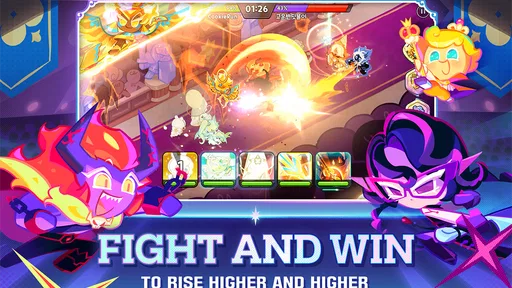
Team-based role-playing games reward attention to how a group works together, not just attachment to a favorite character. A useful approach here is to make deliberate changes rather than constantly rebuilding your party: try a different arrangement when you meet a clear obstacle, then give that choice enough time to judge whether it helps. This keeps experimentation from becoming busywork and makes any improvement easier to understand.
Compared with a more traditional, battle-first role-playing game, CookieRun: Kingdom has a softer center of gravity because the kingdom-building element is part of its identity. Compared with a pure town-building game, the cookie team and adventure give it a stronger character-driven direction. That makes it a good middle ground if you like both kinds of play, but a less obvious fit if you want deep management alone or a combat campaign without a home-base activity.
On fairness, I would be careful not to claim more than the available facts support. The existence and price range of in-app purchases are clear, but those details do not establish how purchases affect competitive results, whether particular modes favor spending, or how free players fare against paying players. If competitive balance is your main concern, I would not rely on assumptions in either direction. Try the game for yourself and judge the modes you actually care about before spending money.
That caution matters because “fair” can mean different things. One player may care about whether they can enjoy the story without paying; another may care about equal footing in competition. The purchase information alone does not answer both questions. I can say that paid items are part of the game’s business model, but I cannot responsibly convert that into a claim that they guarantee an advantage or that they have no influence at all.
Who will enjoy the kingdom most
I would recommend the game to someone who likes collecting a cast, making choices about a team, and having a cozy-looking place to return to between adventures. It also suits players who enjoy making progress in small pieces and do not mind that the game has more than one focus. The best fit is someone who finds the kingdom side relaxing rather than a detour from the action.
I would steer away from it if you want a strictly combat-centered role-playing game, a minimal daily routine, or a purchase-free experience with no optional spending to consider. It may also frustrate anyone who wants every session to have one obvious objective. The two-part design is the hook, but it is also the main reason the game will not suit everyone.
For a newcomer, I would keep the first sessions exploratory. Get a feel for both the battles and the kingdom before deciding which side you like more, and do not judge the whole game by one awkward stretch of progress. If the town-building work is the part you enjoy, let it be your reason to return. If you only care about the adventure, be honest with yourself about whether the other half feels like welcome breathing room or unwanted overhead.
What is clear, and what remains a personal judgment
The game has more than 10 million installs, which shows that it has reached a large audience. It is free, developed by Devsisters Corporation, and sits in the role-playing space while combining team-based adventure with kingdom building. Those points help explain its appeal, but they do not settle questions such as how quickly a particular player will progress, how much time they will want to spend, or whether a purchase feels worthwhile to them.
I also would not infer the exact shape of competitive balance, the value of every paid item, or the amount of play possible without spending from the purchase range alone. Those are the kinds of details a player should assess in context, rather than accept as universal claims. If your decision depends on one of them, start without paying and see whether the actual experience answers your concern.
As a role-playing game, it feels distinctive because it does not ask me to choose between a team adventure and a place to build. That mix is more meaningful than a generic “battle and collect” pitch: it gives different moods a home in the same game. The downside is equally specific. When I want a focused campaign, kingdom tasks can feel like an interruption; when I want relaxed building, the pressure to improve a team can pull my attention elsewhere.
My verdict: a charming fit if you like two kinds of progress
I think CookieRun: Kingdom is worth trying if you want a colorful, character-led role-playing game that lets you alternate between adventure and shaping a kingdom. The free starting point makes it easy to see whether that blend clicks, while the visible purchase range is a good reason to set boundaries before spending. I would begin with curiosity rather than a plan to buy my way through the early experience.
Its strongest quality is the way the kingdom and cookie team give each other context. Its main weakness is that this same breadth can make progress feel scattered if you prefer one clear task at a time. That is not a flaw everyone will experience equally; it depends on whether you enjoy having a second activity waiting when you leave a battle.
With over 10 million installs and a large body of player feedback, it is clearly a well-established choice, but popularity is not a promise that its pacing will suit you. My recommendation is simple: try it for the kingdom-and-adventure combination, keep purchases deliberate, and walk away if the extra management feels like homework. For players who enjoy both sides, it can make a short break feel like a small visit to a lively, personal world.
What we like
- Distinctive cookie characters give the kingdom a memorable style.
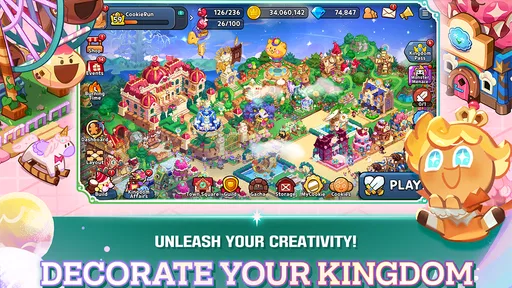
- Decorating the kingdom adds a creative activity between battles.
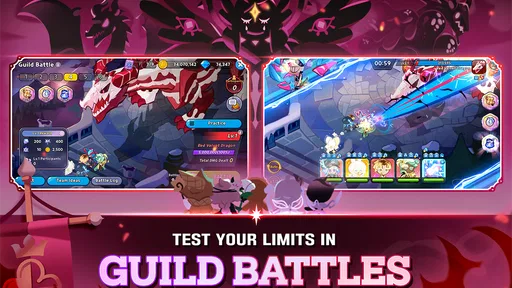
- Guild features provide ways to play alongside other fans.
- Regular events offer fresh goals and limited-time rewards.
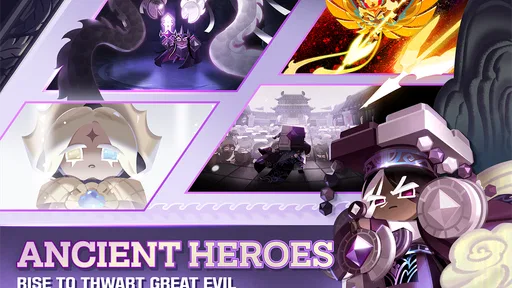
- The story is presented through fully voiced character scenes.
What could be better
- Progress can slow when upgrade materials become scarce.
- Building and improving the kingdom requires frequent resource management.
- Some character upgrades depend on random gacha pulls.
- Limited-time events can make it hard to earn every reward.
- The many menus and systems may overwhelm new players.