 Analysis byWeUseApps
I like a board game best when I can understand what to do at a glance, but still have a reason to think before making a move. Mahjong Blast aims for that easy-to-enter kind of play: it turns tile matching into a solo puzzle you can pick up for a short break. My overall impression is that it suits people who want a calm, familiar board-game routine more than players looking for a deep campaign or a competitive challenge.
What you can expect from the cost
The game is free to download, so you can try its central tile-matching idea without paying upfront. It also offers in-app purchases, with listed items ranging from $1.49 to $12.99. That gives you a useful distinction when deciding whether it fits your budget: access is free, while some optional spending is possible.
I would treat the free entry point as the main reason to test it, not assume that a purchase is necessary to enjoy the puzzle. The existence of paid items alone does not tell me what each one provides or whether it changes the experience substantially, so I would decide only after seeing an in-game item and understanding its purpose. If you prefer games with no possibility of extra spending, check the purchase controls on your device before handing the game to a child.
It is rated Everyone, which makes its general audience broad, though that age label is not a promise that every family will want the same purchase settings. Free to start is a real advantage here; paid extras are a separate choice, not a reason to spend automatically. I would begin with the free experience and set a personal limit before considering any purchase.
A modest price question, not a subscription decision
For a casual board puzzle, the practical question is less “What is the biggest bundle?” and more “Will I enjoy opening this regularly?” If you only want an occasional round, free access is enough to make that first test low-commitment. If you expect to play often, take time to judge whether the available paid items solve a problem you actually have rather than buying out of habit.
The game is from Nebula Studio, and its current version is 3.1.2. It was released on June 23, 2025, and the stated minimum operating-system requirement is 7.1. Those details are useful before installing, especially if you use an older device; checking compatibility in your app store is a sensible first step.
Where the value comes from
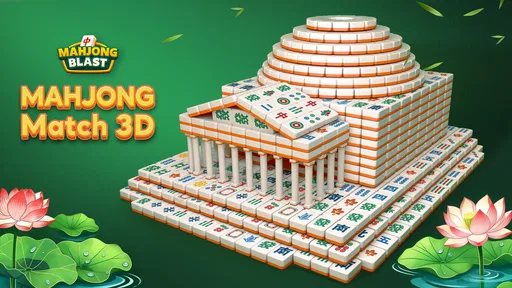
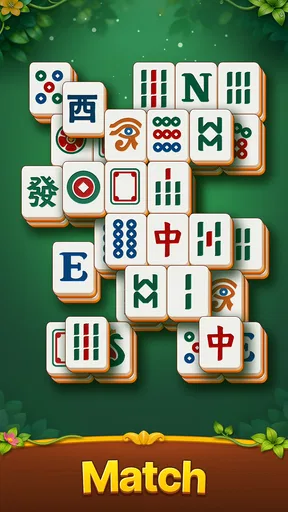
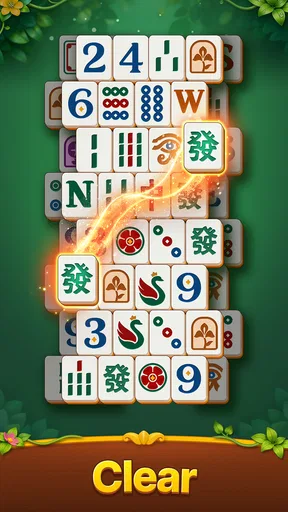
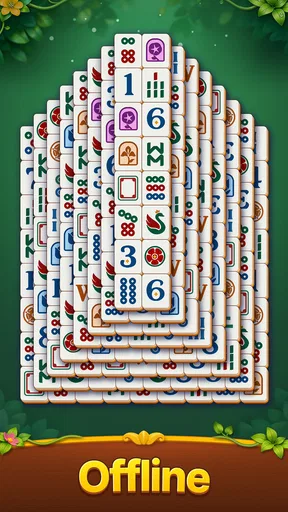
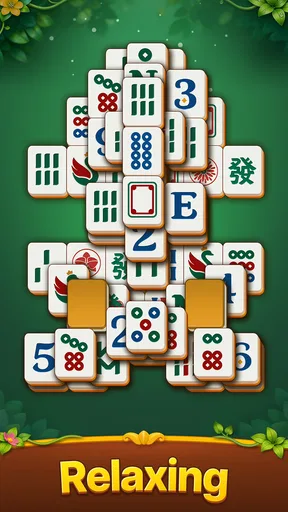
The core appeal is the familiar logic of a mahjong solitaire board: look across the tiles, identify a match, and keep working through the puzzle. That makes the game easy to understand without a long tutorial or a commitment to follow a story. I find this format particularly useful when I want a small mental task that is more deliberate than scrolling but less demanding than a long strategy session.
There is also a nice difference between recognizing a pair and choosing the right pair. A match may be available, but taking it immediately can affect which tiles remain accessible later. A practical habit is to scan the board before your first move, note obvious blocked areas, and avoid clearing a tempting pair until you have checked whether it exposes or preserves more useful options. That kind of quick planning gives a simple matching game a little more texture.
Another useful approach is to set a stopping point before you start. A single puzzle can fit into a waiting-room pause or the few minutes before a meal, while a string of rounds can quietly stretch longer than intended. I would use it as a short reset rather than opening it when I need to stay focused on a task with a firm deadline.
How it compares with other board-game choices
Compared with a traditional tabletop mahjong session, this is a solo puzzle rather than a social game around a shared table. That is an important distinction: if what you enjoy is reading opponents, talking through a hand, or learning a multiplayer ruleset, a solitaire tile-matching game will not replace that experience. It is better suited to a player who wants to make decisions at their own pace without coordinating with anyone.
Against other casual puzzle games, its familiar tile language is an advantage if you already like mahjong-style layouts. A word puzzle asks you to search for language patterns; a match-three game often centers on arranging pieces into combinations. Here, the satisfying moment is spotting a pair and considering what its removal means for the remaining board. If that kind of visual scanning feels soothing, the format may be a better fit than a timed or reflex-based game.
The trade-off is that the basic action is intentionally narrow. If you need a new mechanic every few minutes, a branching adventure, or a strong competitive layer, you may find the matching loop repetitive. The appeal depends on enjoying small decisions inside a familiar structure, not on expecting a broad range of activities.
Small decisions that make a session better
I would play with a deliberate rhythm rather than tapping the first visible match. First, take a quick look at the layout and identify pairs that appear to open up more of the board. Then make one move and reassess; the best choice can change as tiles become available. This is a simple workflow, but it helps turn casual matching into a puzzle instead of a reflex.
It is also worth noticing how your attention feels. If you are tired, a low-pressure board can be a pleasant way to unwind; if you are already mentally overloaded, scanning a dense arrangement may feel like another task. I would not treat the game as an automatic relaxation tool. It works best when I have enough attention to enjoy looking for patterns, but not so much energy that I want a more involved challenge.
For a commute or a short break, decide in advance whether you want to finish a puzzle or simply play until you need to stop. That choice helps avoid the familiar “one more move” drift. If interruptions are likely, a tile puzzle is easier to resume mentally than a game that depends on following a complicated plot, though I would still avoid starting when you cannot safely look at your screen.
What the audience figures suggest
Mahjong Blast has an average rating of 4.8 from around 2.6 million ratings, alongside roughly 21,000 written reviews. It has passed 100 million installs. Those figures suggest that the approachable tile-puzzle format has found a very large audience, but popularity is not a guarantee that its particular rhythm will suit you.
I would use that broad response as a reason to give the game a fair try, not as proof that it is the best board game for every player. Your own preference matters more: do you like scanning a board, planning which pair to remove, and repeating that process at a relaxed pace? If yes, the format has a clear chance of working for you. If you mainly want interaction or a changing set of mechanics, the large audience does not erase that mismatch.
Who is likely to get the most from it?
I would recommend trying it if you enjoy solitaire puzzles, like recognizable tile patterns, and want something that can be played without arranging a group. It is also a reasonable option for someone curious about mahjong-style matching who does not want to begin with a more involved multiplayer game. The free download makes that trial straightforward, while the Everyone rating signals a broad content audience.
It is less compelling for people who want social play, tournament pressure, a strong narrative, or a puzzle that changes its rules often. Likewise, if you dislike repeated visual search, a tile board can feel like work rather than relaxation. A conventional multiplayer board game is the better choice when the company and conversation matter most; a more varied puzzle game may serve you better when novelty is the priority.
For families, I would explain that the main activity is matching tiles and that optional in-app purchases exist. The age rating is helpful context, but I would still review device-level purchase settings before a child plays. That small precaution keeps the free-to-try appeal from turning into an unexpected spending decision.
My verdict on whether to try it
Mahjong Blast makes the most sense as a low-commitment solo board puzzle: it offers a familiar matching routine, a broad audience, and free access, with optional purchases priced from $1.49 to $12.99 per item. I like it most as a short, self-paced activity where a little planning makes each move feel more considered. Its biggest limitation is also clear: the core loop may not provide enough variety for players who need social interaction or constant novelty.
My recommendation is to install it if you already enjoy mahjong solitaire or want a calm puzzle to test during spare moments. Play a few sessions without spending, pay attention to whether you enjoy planning rather than simply clearing pairs, and consider an optional purchase only if its purpose is clear and useful to you. Skip it in favor of a multiplayer board game if you want to play with friends, or choose a more varied puzzle if repeating a focused tile-matching routine is likely to wear thin.
What we like
- Quick rounds make it easy to play during short breaks.
- Simple controls are friendly to new Mahjong players.
- Tile-matching puzzles offer a relaxing change of pace.
- Progress through levels provides a clear sense of achievement.
- The familiar Mahjong format is easy to pick up.
What could be better
- Some puzzles may feel repetitive over time.
- Later levels can require more careful planning.
- Limited variety may not satisfy players seeking a deep strategy game.
- Frequent play can make the challenge feel predictable.
- Players who prefer multiplayer may find the solo focus limiting.