 Analysis byWeUseApps
When I need to make sense of a care option before booking, I want more than a directory of names. The useful question is whether a choice fits my needs and what it may cost. That is the practical focus of UnitedHealthcare: a medical app from UNITED HEALTHCARE SERVICES, INC. that brings care-finding and price information into one place. I see its main value not as replacing a conversation with a clinician, but as helping me prepare for one and make a more informed next move.
Finding care is most useful when cost is part of the decision
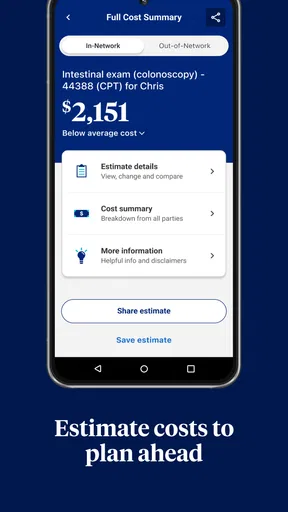
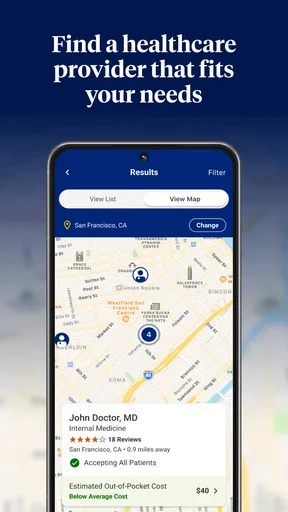
In my view, the app’s defining capability is the combination of looking for care and considering its price. Those tasks often happen separately: someone searches for a provider, then tries to work out what the visit might cost. Bringing the two together can make the search feel more grounded, especially when I have some flexibility about where to go.
That distinction matters because the “best” option is not always the nearest name on a list. A location, type of care, expected cost, and personal preference can all affect the decision. An app that helps me weigh care options alongside pricing is more useful than one that only gives me a list to call, though the final choice still depends on my circumstances and the details shown for my plan.
I would treat the price information as a planning aid rather than a guarantee of a final bill. Healthcare costs can depend on the service and the circumstances of a visit. Before making a decision based on a displayed estimate, I would check that I am comparing the right kind of care and confirm any important details with the provider or insurer. Use the price view to guide questions, not to assume every charge is settled in advance.
From a search to a decision you can act on
The most sensible way to use the app is to begin with a real need rather than browse aimlessly. If I am trying to arrange routine care, I would first identify what kind of appointment makes sense, then use the available care-finding information to compare practical options. Looking at cost during that process can help me decide what to investigate next instead of choosing a name and only later discovering that the likely expense changes the plan.
A useful habit is to keep the decision in two stages. First, narrow the options to those that seem appropriate and workable. Then, before booking, verify the relevant details: the service I need, whether the provider can see me, and what the price information means for my situation. That extra check is not busywork. It helps prevent a promising search result from being mistaken for a confirmed appointment or a final personal cost.
This workflow is particularly helpful when I have time to compare, but it is less suitable when I need urgent attention. A care-search tool should not slow down an emergency decision. If symptoms feel serious or time-critical, I would seek appropriate immediate help rather than spend time comparing routine options in an app. The app is at its strongest for planned decisions, not as a substitute for urgent medical judgement.
A realistic use case: planning a routine appointment
Imagine I need to arrange a non-urgent visit and have a few possible places in mind. Instead of calling the first option and treating that as the only route, I can use the app to look for care and consider the associated price information while I still have choices. If one option appears more suitable, I can follow up directly to confirm availability and what the visit will involve. If the cost picture changes my preference, I can investigate another option before committing.
The less obvious benefit is that this process can improve the questions I ask. Rather than calling without context, I can ask whether the provider offers the specific appointment I need and whether the amount I have seen applies to that service. I can also compare convenience against likely expense instead of treating cost as an afterthought. The app does not make those decisions for me; it gives me a more organized starting point for making them.
For someone helping a family member, the same approach can be useful as a planning routine, provided the person using the app has the information and authority needed to act for that member. I would avoid assuming that one person’s search automatically answers another person’s coverage or care questions. Keeping the patient and the intended service clear is a simple way to prevent a search from becoming misleading.
Where the convenience has limits
The biggest tradeoff is that finding an option and understanding its price do not, by themselves, complete the care journey. A search result is not the same as a confirmed appointment, and an estimate should not be read as a promise of the final amount. I would still verify practical details directly before relying on a result, especially if the appointment is important or the cost will affect whether I can proceed.
There is also a natural limit to how helpful any insurer-associated app can be if I am not using the relevant UnitedHealthcare services or do not have the information needed to make sense of what it shows. People who want a broad, independent search across many unrelated health services may prefer a general provider directory or a direct call to local clinics. Those alternatives can be more appropriate when the main priority is discovering every nearby possibility rather than using an insurer’s care and pricing tools.
Another point to keep in mind is that comparing cost alone can lead to a poor choice. A lower apparent price is not automatically the right option if it does not match the care needed, location, timing, or personal preference. I would use the app to surface a more informed set of choices, then weigh those factors together. For symptoms that require diagnosis or treatment advice, I would contact a qualified healthcare professional rather than expect a search tool to tell me what condition I have.
Some users may also prefer a phone call or in-person help, particularly if they find health plan language confusing or have a complicated question. The app can make information easier to approach, but it cannot remove every ambiguity from healthcare costs. If something important is unclear, I would pause and ask for clarification rather than guess based on a label or an estimate.
Who is likely to get the most from it
I think this app is most worthwhile for people who want to compare care options before arranging a non-urgent visit and who value seeing price information as part of that decision. It can also suit people who like to prepare questions before calling a provider, or who want a more structured starting point than searching the open web and piecing together separate details.
It may be less compelling for someone who already has a trusted provider and simply books directly, or for a person who needs immediate care and cannot reasonably spend time comparing. It is also not the right tool if the goal is medical diagnosis, treatment guidance, or an exhaustive independent directory. In those cases, a clinician, an urgent-care service, or a broader search source is more appropriate.
As a medical app, UnitedHealthcare is free and rated for Everyone. It has an average rating of 4.6 from around 250,000 ratings, with roughly 26,000 written reviews, and more than 5 million installs. It was released on September 26, 2018; version 3.16.0 requires Android 10 or later. Those figures suggest a substantial audience, but I would judge the app by whether its care-and-price workflow fits my own needs rather than by popularity alone.
My verdict on its focused approach
I like the idea of putting care discovery and price awareness in the same decision process. The strongest use is practical and specific: start with a non-urgent need, compare possible care routes, use the price information to shape the shortlist, and confirm the details before booking. That is more useful than browsing without a plan, and it can help me approach a provider conversation with sharper questions.
My recommendation comes with a clear boundary. I would use it as a planning companion, not as a medical authority, booking guarantee, or promise of a final charge. If you want help thinking through where to seek care and how cost may affect that choice, it is a sensible app to try. If you need immediate medical attention, a diagnosis, or a fully independent directory, I would choose a more suitable route instead.
What we like
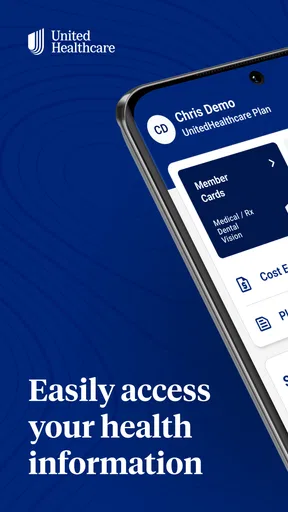
- Shows health plan details and coverage information in one place.
- Includes digital member ID cards for convenient access.
- Lets members search for doctors and care locations.
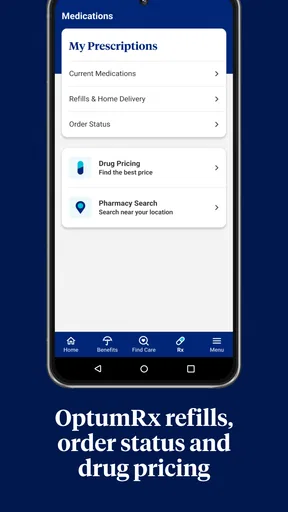
- Supports appointment management and prescription refills.
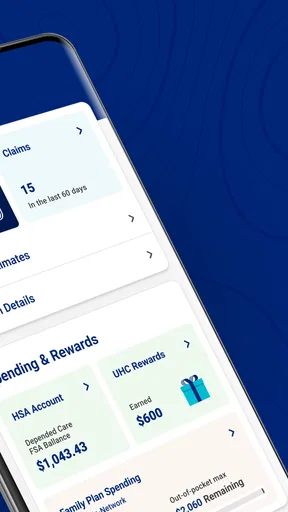
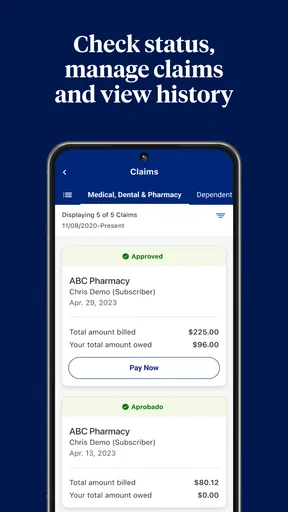
- Offers tools to track claims and health spending.
What could be better
- Available features depend on your UnitedHealthcare plan.
- Some services may require separate apps or sign-ins.
- Provider directory details may not always be up to date.
- Certain features may be limited by your location.
- The app is less useful for people without a UHC plan.