
 Analysis byWeUseApps
I like reward apps best when they fit around something I already want to do, rather than asking me to treat earning as a second job. Freecash: Earn Money is built around that idea: it connects playing mobile games with the possibility of receiving rewards. That makes it more appealing than a plain survey app for people who enjoy trying games, but it also calls for a realistic mindset. I would use it as an occasional way to make leisure time feel a little more worthwhile, not as a dependable source of income.
Turning game time into a reward opportunity
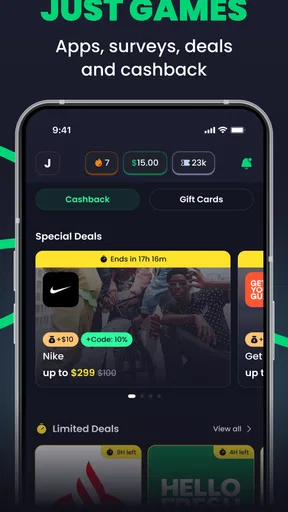
The central appeal is simple: Freecash, developed by Freecash, is a finance app that lets users pursue rewards through game-related offers. Instead of browsing a traditional game store purely for entertainment, I can approach a participating game with a goal attached. The distinction matters: the app is not a promise that every minute spent playing will produce cash. It is a way to discover reward opportunities tied to activities, with the details of an individual offer shaping whether it is worthwhile.
That focus gives the app a different feel from a standard cash-back service or a survey platform. Cash-back apps generally make the most sense when I am already shopping, while survey apps ask me to trade attention and opinions for a reward. Freecash is better suited to someone who would happily try a mobile game anyway and is willing to pay attention to the terms of a particular opportunity. The game is the activity; the reward is an incentive, not a guaranteed wage.
I would go in expecting a collection of opportunities rather than a single game with a fixed earning path. That framing helps prevent a common disappointment: assuming the headline idea means every game pays equally, or that the reward arrives automatically just for installing something. Before committing, I would read what the offer asks me to do and decide whether I would still want to play if the reward took time or did not suit my schedule.
What the reward-first approach changes
When I play only for fun, I can switch games whenever I feel like it. With an offer-based reward app, I have another consideration: whether I can follow the task through in the way it is described. That can make a casual game session feel more purposeful, but it can also make play less relaxing. If I find myself checking progress instead of enjoying the game, the reward may not be worth the added attention.
The practical benefit is choice. Someone who already likes sampling mobile games can use reward offers as a filter for what to try next. The trade-off is that the app’s value depends on finding an offer that matches the user’s interests and patience. I would not choose a game solely because its reward sounds attractive; I would first ask whether its play style is something I can tolerate long enough to complete the stated goal.
How I would use it without wasting time
My first step would be to inspect an offer before opening the game. I would note the requested objective, any stated conditions, and whether the time commitment sounds realistic for me. Then I would choose one opportunity at a time rather than starting several games at once. This is a small but useful workflow: it makes it easier to remember what I agreed to do and reduces the chance that I scatter my attention across tasks I no longer care about.
I would also keep expectations modest and treat the reward as a bonus for an activity I was already open to doing. That is especially important when a task takes more than a brief session. A tempting offer can look like easy progress at first, but the real question is whether the remaining steps fit into my available time. I would rather abandon a poor fit early than turn a relaxing evening into an obligation.
For a fair test, I would check the offer details before starting and keep track of the game and objective I selected. If I have concerns about whether progress is being recognized, I would avoid making assumptions based on a single session and review the offer’s conditions again. The point is not to create a complicated tracking system; it is to make sure I know what I am trying to complete and can judge whether the effort still feels worthwhile.
One non-obvious trade-off is that reward-seeking can change how I choose games. A game I might otherwise skip can seem attractive because it is attached to an incentive, while a game I genuinely enjoy may not be the best match for a particular task. I would separate those decisions: choose an offer only when the game and its requirements both appeal, rather than letting the reward alone make the choice.
A realistic evening use case
Imagine I have a quiet evening and already planned to try a mobile game. I could check Freecash first, compare the available game opportunities, and select one whose stated objective seems achievable without taking over the night. I would play in a few sessions, keeping the task in mind but stopping when I no longer enjoy it. If I reach the goal, the reward is a pleasant extra; if I do not, I have still spent time on a game I chose knowingly rather than counting on that session to pay a bill.
This scenario is where I see the clearest fit: spare time, curiosity about new games, and no urgent need for a particular amount of money. It is a much weaker match for someone who needs predictable earnings by a deadline. A game task may be entertaining, but entertainment and reliable work are different things, and I would not plan essential spending around reward-app activity.
Where it sits among other earning apps
Compared with survey apps, Freecash gives game fans a more engaging way to pursue rewards, but it may demand more sustained attention than answering a short set of questions. Compared with cash-back apps, it is less naturally tied to purchases I already intended to make. Those alternatives can be better if I mainly want to earn around shopping or prefer short, clearly bounded tasks. Freecash makes the most sense when trying games is itself part of the appeal.
It also differs from simply downloading free games. In a normal game store, I can pick whatever catches my eye and stop whenever I like. Here, the reward objective can influence which game I try and how long I continue. That structure can add motivation, but it can also make leisure feel transactional. I would use it selectively, switching back to ordinary gaming when I want to play without keeping a task in the back of my mind.
What to keep in mind before committing
The biggest limitation is the gap between a reward opportunity and a dependable return. An offer is only useful if its requirements suit my interests, time, and willingness to stick with the game. I would not assume that every available task is equally appealing or that a reward makes a tedious experience enjoyable. The app’s strongest advantage—giving play a reward-oriented purpose—is also the source of its main friction.
Another trade-off is attention. I may need to remember the objective and check that I am following the offer’s conditions, rather than simply playing on autopilot. That is manageable for a person who likes clear goals, but distracting for someone who plays to unwind. If I find myself continuing a game only because I have already invested time, I would pause and reassess instead of treating past effort as a reason to keep going.
I would also be cautious about confusing “free to download” with “free of effort.” The app costs nothing to install, but the user still spends time and attention pursuing offers. Before choosing one, I would consider whether I would be content with the game even if the reward did not feel substantial. That simple test is more useful than chasing an appealing headline without thinking about the actual activity behind it.
Who is likely to get the most from it?
Freecash is a better fit for casual mobile gamers who enjoy trying unfamiliar titles, like having an objective, and are comfortable treating rewards as an occasional extra. It may also suit someone who wants an alternative to surveys and is happy to spend leisure time on game tasks. I would skip it if I dislike mobile games, want income I can predict, or prefer earning opportunities that take only a short, clearly defined amount of time.
The app is free and rated for adults aged seventeen and older. It has an average rating of 4.6 from around 579,000 ratings, alongside about 67,000 written reviews, and has passed 10 million installs. Those figures suggest broad interest, but they do not tell me whether a particular offer will suit my habits. I would still judge it by the tasks available to me and by whether I enjoy the games involved.
Its release date was April 12, 2022, and version 1.271.1 is listed with a minimum operating-system requirement of 7.0. I see those details as useful compatibility context, not a reason by themselves to expect a specific experience on every device. What matters more in day-to-day use is whether I can find a relevant game task and follow its requirements without turning leisure into a chore.
My recommendation
I would recommend Freecash: Earn Money to a friend who already plays mobile games and wants to see whether reward-based tasks make that hobby more interesting. I would tell them to read each offer carefully, begin with one task, and judge the app by the time and enjoyment involved—not by the idea of effortless cash. It is not the right choice for everyone, but it has a clear role for people who like game discovery and can keep expectations grounded.
Ultimately, Freecash works best when the game remains worth playing on its own. The reward can make a spare evening feel more purposeful, yet it should not be the only reason to continue. If I wanted predictable earnings or a quick task, I would look elsewhere; if I wanted to try a game anyway and was happy to pursue an extra incentive, I would give it a careful, low-pressure try.
What we like
- The app is free to download and use.
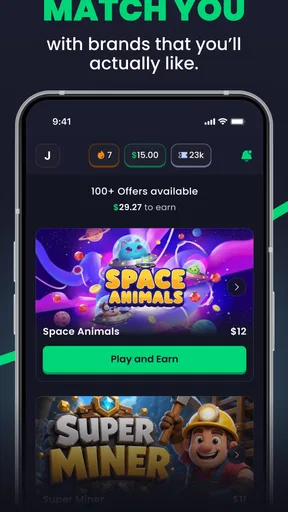
- A wide range of offers gives users several ways to earn.
- Many offers show their reward before you start.
- Users can track offer progress in one place.
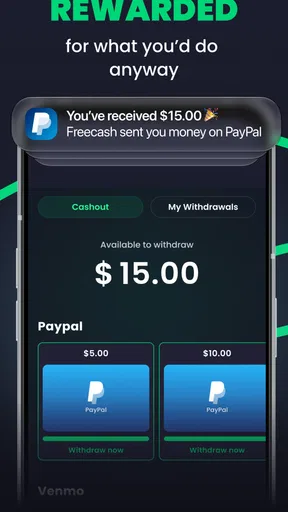
- A low withdrawal threshold can make cashing out more accessible.
What could be better
- Some offers require purchases or paid subscriptions.
- Rewards may take time to verify and appear in your balance.
- Offer availability varies by country and user.
- Some tasks require sharing personal information with partners.
- Incorrectly tracked offers can make reward claims difficult.