 Analysis byWeUseApps
I’m drawn to strategy games that ask for more than a quick reaction, and Warline: Sniper Strike sets up an interesting balancing act: aiming and timing sit alongside decisions about the wider fight. That combination can be appealing if you want a tactical game with an action edge, but it also means the experience is not simply a conventional shooter or a slower, map-focused strategy game. I’d approach it expecting to switch between those two kinds of thinking rather than settle into just one.
What the mix of shooting and strategy means
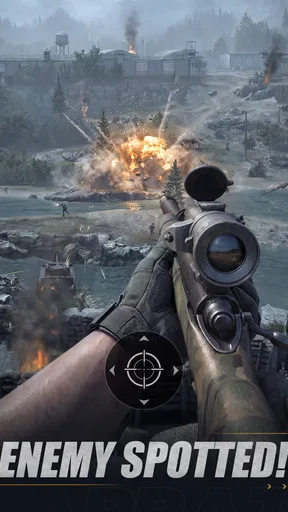
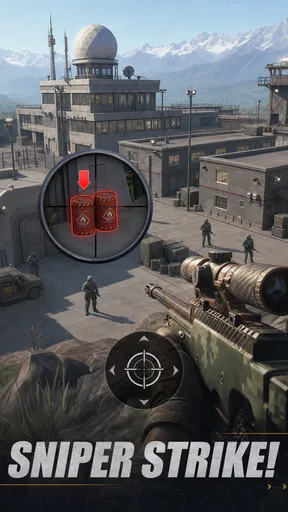
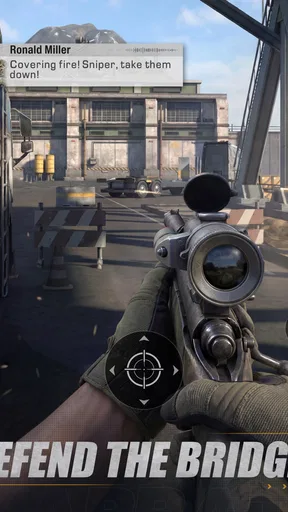
Warline: Sniper Strike is a free strategy game from Powerfantasy HK Limited. Its pitch is built around joining tactical shooting with real-time strategy, a pairing that makes the moment-to-moment pace an important part of whether it suits you. The key question for me is whether you enjoy moving between immediate choices and broader tactical thinking. If you only want a pure aim-and-fire experience, the strategy side may feel like a detour; if you want a traditional strategy game with plenty of time to plan, the shooting emphasis may feel more urgent than you’d like.
The title suggests a sniper-focused identity, but I wouldn’t assume that means every encounter is a quiet test of precision. The more useful expectation is that you’ll need to pay attention to the whole situation, not just the shot in front of you. In a hybrid game, a good decision can depend on when to act as much as on what to target. That’s where I see the strongest appeal: the tension comes from connecting a focused action with the larger tactical picture.
Warline: Sniper Strike is rated 4.9 on average from around 250,000 ratings, and it has passed five million installs. That level of interest makes it easy to see why a player might want to give it a try, but popularity alone can’t tell you whether its particular blend suits your habits. I’d treat it as a promising option for someone who wants strategy to feel active rather than purely contemplative.
Expect a brisk rhythm, not a guaranteed sprint
The most sensible speed expectation is that the game asks you to make decisions under pressure, without assuming that every session will be nonstop action. Strategy and shooting pull at different rhythms: aiming rewards attention to a specific moment, while tactical play benefits from looking beyond it. If the game’s balance works for you, that contrast can keep a match mentally lively. If you prefer one steady pace, the changes in focus may instead feel disruptive.
A practical way to approach it is to give yourself a few sessions before deciding whether it feels fast or simply demanding. In the opening stretch of any hybrid game, unfamiliar controls and rules can make ordinary decisions seem slower than they eventually become. I’d focus first on understanding what the game expects from you at each moment, rather than trying to play aggressively straight away. Once the basic rhythm feels clearer, you can judge whether its tempo is enjoyable or tiring.
This distinction matters if you plan to play in short breaks. A quick session can be satisfying when you have enough attention to follow the action, but a tactical game is a poor fit for a moment when you’re constantly stopping to answer messages or handle something else. I’d choose a quieter break rather than starting a match while distracted. That is less about the game’s raw speed than about the focus its combined format asks from the player.
When a session gets mentally busy
The demanding moments in a game like this are likely to be those where you must hold two kinds of information in mind: what is happening in the immediate encounter and what your next tactical choice should accomplish. I find that this kind of split attention is more revealing than a game’s headline premise. A shot may be satisfying on its own, but the lasting challenge comes from deciding whether that action serves the wider situation.
One useful habit is to pause briefly between engagements—when the game allows it—to reset your attention. Instead of reacting to every new moment in the same way, decide what you need to understand first and what can wait. That small mental routine helps prevent the shooting side from swallowing the strategy side. It is also a fair test of whether the hybrid design works for you: if you enjoy making that adjustment, the game has room to hold your interest; if it feels like unwanted mental bookkeeping, a simpler action game may be a better match.
I would also avoid treating every loss or difficult encounter as proof that you need to spend money. Warline is free to start, while its optional in-app purchases range from $0.99 to $199.99 per item. That wide span is worth noticing before you play. My advice is to learn how the game feels without purchases first, and only consider spending if you understand what you would be paying for and why it improves your own experience. A costly option is not automatically necessary just because it exists.
Reliability and returning after a break
For a tactical game, reliability is not only about whether it opens; it is also about whether you can return to the action without losing track of what you were trying to do. The combined shooting-and-strategy premise makes continuity valuable. If you set the game aside between sessions, give yourself a moment to reorient before making consequential choices. That is a simple way to avoid carrying yesterday’s assumptions into a situation you have not yet read.
I would judge stability through ordinary use rather than a single launch. Try it during a session when you can pay attention, then see whether it remains comfortable when you play again later. If performance or responsiveness feels inconsistent on your device, close other demanding apps and retry under similar conditions before deciding the game itself is at fault. That doesn’t guarantee a fix, but it gives you a cleaner comparison than changing several things at once.
Recovery is another practical concern: if a session is interrupted, you may need a moment to understand the current state before continuing. I wouldn’t rush straight into a tactical decision after switching back from another app. Recheck what is happening, then resume. This is especially useful for a game that asks you to think about both a precise action and the broader fight, because returning with only half your attention can make the whole experience feel less fair than it is.
Device fit and sensible expectations
The listed minimum operating system is Android 6.0, so the stated compatibility floor is clear for Android users. That does not tell me how the game will feel on every device, especially when hardware age, available storage, background activity, and other apps can affect responsiveness. I’d make sure the phone has room to run comfortably and close apps you do not need if you notice sluggishness. Those are sensible first checks, not a promise that every device will perform identically.
Teen is the content rating, which is a useful guide for families considering whether the game is appropriate. It is also free to download, so trying it does not require an upfront purchase; optional spending is separate. If younger players may use the device, I’d discuss in-app purchases before handing it over, particularly because the listed item prices extend to a high ceiling. Setting clear expectations early is easier than sorting out an unwanted purchase later.
The current version is 1.3.01. I would keep the game updated through the app store when updates are available, since using the current release is a sensible starting point when assessing performance. I would not expect an update number by itself to guarantee smooth play, though. If your device struggles, the best decision may be to stop rather than spend time trying to force a demanding game into a setup that does not feel comfortable.
How it compares with familiar alternatives
Compared with a pure shooter, Warline’s strategy identity is its main point of difference: the appeal is not only landing a shot but thinking about how an action fits into the wider contest. Compared with a slower strategy title, the shooting element promises a more immediate focus and a sharper sense of urgency. That middle ground is exactly why I’d recommend trying it if you have found either extreme too narrow.
It is less likely to suit someone who wants a relaxed game to play while watching something else. A tactical shooter-and-strategy blend asks for active attention, and dividing that attention can make both sides less enjoyable. It may also be the wrong choice if you strongly dislike optional purchases in free games. The free entry point is useful, but the presence of purchases means players who want a completely purchase-free environment should think about that before settling in.
For a realistic everyday use case, imagine having a short evening break after work. If you have enough time to focus on one match and can put your phone notifications aside, the mix may give you more to think about than a routine reflex game. If you have only a minute or two and expect interruptions, I’d pick something easier to pause mentally. The deciding factor is not just how long you have, but whether you can give the tactical choices your attention.
My performance verdict
My overall view is that Warline: Sniper Strike is worth considering for players who want tactical decisions delivered with a more immediate, shooter-like edge. Its strongest promise is the contrast between focused action and broader planning; its main risk is that this same contrast can feel busy if you prefer a single, consistent style of play. I’d start with a few free sessions, learn the pace, and see whether the two parts make each other more engaging for you.
Powerfantasy HK Limited’s game has a substantial audience, and the high average rating is encouraging, but I would still make the decision based on your own preferences rather than the crowd. The game is free, rated for teens, and includes optional purchases. Those are useful practical details, but the real test is whether you enjoy staying alert to both the immediate shot and the larger tactical situation.
My recommendation is to try it if you like active strategy and don’t mind a game that asks for focused attention. Skip it if you want a purely casual shooter, a slow planning experience, or something to play while distracted. On a compatible Android device, starting without spending and assessing comfort over more than one session is the most sensible way to decide whether its pace, stability, and tactical demands work for you.
What we like
- Sniper missions offer a focused alternative to larger battlefield games.
- Weapon upgrades give players clear goals as they progress.
- Short missions suit quick gaming sessions.
- Distinct enemy positions reward careful aiming.
- The modern military setting has broad appeal.
What could be better
- Repeated mission objectives can make later stages feel familiar.
- Precision aiming may take time to master on touchscreens.
- Weapon upgrades can require substantial grinding.
- Frequent combat may feel intense for younger players.
- Progress may feel slow without regular play.